The Widower: ‘Til Death Do Us Part 2026 Movie Review
The Widower: ‘Til Death Do Us Part (2026) is a title that immediately suggests a story filled with love, loss, mystery, and the darker side of marriage. A widower’s journey can provide a compelling foundation for a psychological thriller, particularly when the boundaries between affection, grief, obsession, and betrayal begin to blur. The title also raises intriguing questions about the meaning of lifelong commitment and what happens when a relationship continues to influence someone’s life even after death. A film built around these themes has the potential to explore the complicated emotions associated with marriage while examining the secrets that people sometimes conceal from those closest to them. However, a reliable review of this particular 2026 film requires confirmation of its plot, cast, and actual scenes so that its storytelling, performances, and ending are not confused with an imagined version of the movie.
Released on Netflix on September 30, 2026, The Widower: ‘Til Death Do Us Part is a 91-minute true-crime documentary directed by Chris Smith, the filmmaker known for Tiger King and Fyre. Rather than presenting a fictional murder mystery, the film examines the real-life story of Thomas Randolph, a Nevada man whose six marriages, several suspicious deaths, and eventual murder convictions attracted considerable attention. The documentary follows the investigation into the 2008 deaths of Randolph’s sixth wife, Sharon Causse, and Michael Miller, a handyman who was also killed in the incident. At the centre of the story are the questions surrounding Randolph’s relationships, his explanations for the deaths, and the lengthy investigation that eventually resulted in his conviction. By bringing together investigative journalism, police work, interviews, and archival material, the documentary explores a case in which the distinction between a seemingly ordinary domestic life and a suspected criminal history becomes increasingly important.
One of the documentary’s defining characteristics is its decision to examine Randolph’s entire marital history rather than focusing exclusively on the murder of Sharon Causse. His six marriages form the foundation of a story that gradually expands into an investigation of suspicious deaths, financial questions, personal relationships, and criminal proceedings. Four of his wives died, although the circumstances surrounding those deaths were not identical, and not every death resulted in a criminal conviction. This distinction is particularly important because the documentary deals with real people and events rather than a fictional mystery in which every unanswered question necessarily has a dramatic resolution. By examining the relationships alongside the subsequent investigation, the film provides viewers with a broader understanding of the circumstances that brought Randolph under scrutiny. The resulting narrative is concerned not only with what happened in 2008 but also with the history that made the case so complicated.
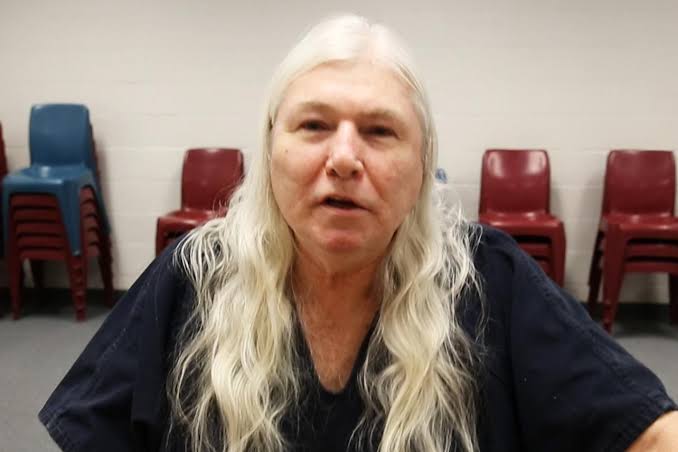
The documentary’s central subject is undoubtedly Thomas Randolph, whose personality and public statements become important elements of the investigation. His history of marriages and the suspicious circumstances surrounding some of his former wives make his account of his sixth wife’s death a particularly significant part of the film. Instead of treating his explanations as unquestionable facts, the documentary places them within the context of the evidence and the investigators’ subsequent work. Randolph initially claimed that a hired handyman was responsible for the shooting of Sharon Causse and maintained that he acted in self-defence when Michael Miller was killed. These explanations became central to the criminal investigation and subsequent court proceedings. The documentary’s examination of his statements offers an opportunity to consider how conflicting accounts can complicate the search for the truth, particularly when the person providing those accounts is also the principal subject of the investigation.
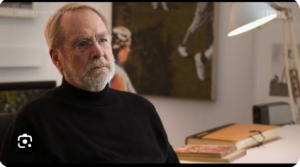
Chris Smith’s direction gives the documentary a journalistic foundation, with much of its narrative built around the work of investigative journalist Dan Slepian and Las Vegas detective Dean O’Kelley. Their involvement provides the film with a perspective that extends beyond the familiar conventions of true-crime storytelling. Slepian had followed Randolph’s case for years, and his earlier reporting for NBC’s Dateline provides important background to the investigation. O’Kelley’s work offers the perspective of a detective attempting to make sense of conflicting accounts and evidence. Bringing these two perspectives together allows the film to explore both the investigative process and the difficulties of establishing what happened in a complicated criminal case. The documentary benefits from this sustained involvement because the people presenting the investigation have direct experience with the events they discuss. Their contributions also help explain why the case continued to attract attention long after the original crime.
One of the most interesting aspects of the documentary is its treatment of investigative journalism. Rather than relying exclusively on conventional interviews with commentators, the film draws on Slepian’s extensive involvement with the case. His reporting provides a historical perspective on how the investigation developed and why certain questions remained important over the years. The inclusion of previously recorded conversations and investigative material gives viewers an opportunity to examine Randolph’s own statements alongside the accounts of people who investigated him. This approach adds another dimension to the narrative because it reveals how a journalist’s understanding of a case can evolve as new information becomes available. It also illustrates the time and persistence that serious investigative reporting can require, particularly when a case involves multiple marriages, different jurisdictions, and complicated legal proceedings.
The documentary’s examination of Randolph’s relationship with his wives is another important element of its storytelling. Marriage is generally associated with trust, companionship, and shared responsibility, but those expectations take on a different significance in this case. The film explores how a person’s private relationships can become relevant to a criminal investigation when a series of deaths raises questions about earlier events. Randolph’s marital history is not simply background information; it is an essential part of understanding why investigators began examining the circumstances of his sixth wife’s death so closely. The accounts of his former partners and the information uncovered during the investigation contribute to a picture of relationships that were considerably more complicated than they might initially have appeared. The documentary also raises broader questions about how much people can know about someone with whom they share their lives.
Sharon Causse’s death is the central event around which the documentary’s investigation revolves. Her murder in 2008 led authorities to examine Randolph’s account of what happened and the circumstances surrounding the involvement of Michael Miller. The case became particularly complicated because Randolph maintained that he had been defending himself, while investigators developed a different explanation of the events. The film explores the allegations concerning a possible financial motive and the evidence presented during the subsequent criminal proceedings. The inclusion of this material gives the documentary a clear investigative direction, moving from the circumstances of the shooting towards the questions of responsibility, planning, and motive. Rather than depending entirely on the shock value of the crime, the film uses the case to demonstrate how seemingly separate pieces of information can become connected during a lengthy investigation.
The discussion of life insurance is particularly relevant to the documentary’s examination of motive. Financial arrangements following the deaths of Randolph’s wives became part of the broader scrutiny of his marital history. However, financial circumstances alone cannot establish criminal responsibility, and the distinction between suspicion and proven conduct is essential when examining a real criminal case. The documentary’s attention to these questions helps explain why investigators looked beyond Randolph’s initial account of the events. It also introduces a familiar but important subject in true-crime documentaries: the challenge of distinguishing between a possible motive and evidence that can withstand legal examination. By incorporating financial questions into the wider narrative, the film gives viewers a better understanding of the different issues that investigators and prosecutors needed to consider.
Another significant aspect of the film is its attention to the legal proceedings that followed the murders. Randolph’s first conviction, in 2017, resulted in a death sentence, but the conviction was overturned in 2020 because of problems involving prejudicial evidence admitted during the trial. His case subsequently returned to court, and a second conviction followed a retrial in 2023. In 2024, he received a sentence of 60 years to life in prison. These developments give the documentary a substantial legal dimension, demonstrating that a criminal investigation does not necessarily conclude when a jury first reaches a verdict. Appeals, evidentiary disputes, retrials, and sentencing decisions can significantly extend the process. The inclusion of this legal history also provides essential context for viewers who may be unfamiliar with the case.
The documentary’s use of archival material and recorded interviews adds another layer to its presentation. In true-crime filmmaking, archival footage can provide valuable historical context, particularly when it documents statements made during an investigation or earlier stages of a trial. In this film, the material associated with Slepian’s reporting is especially relevant because it provides a record of Randolph’s interactions with the journalist. These recordings help connect the different stages of the investigation and make the passage of time easier to understand. They also provide a contrast between the way the case was initially presented and the questions that emerged as investigators continued examining it. The documentary’s reliance on existing investigative material gives its narrative a connection to the actual events rather than making it dependent entirely on retrospective commentary.
At the same time, the film’s subject matter presents a considerable challenge for its director. True-crime documentaries frequently deal with events that are already familiar to audiences who follow criminal investigations, and the story of Randolph has previously received substantial media attention. The 2021 Dateline coverage, in particular, means that some viewers may already know the major developments. Consequently, a new documentary about the same case needs to offer more than a chronological account of the crime and its aftermath. Chris Smith approaches this challenge through the combination of investigative reporting, interviews, and material gathered over an extended period. Nevertheless, the amount of existing coverage surrounding the case may affect how much new information experienced true-crime viewers discover. The film’s appeal consequently depends in part on whether viewers value its particular presentation of the investigation rather than simply its subject.
The pacing is another important consideration. With a running time of approximately 91 minutes, the documentary has a relatively compact format for a case involving six marriages, multiple suspicious deaths, a complicated murder investigation, and two major trials. This concise duration gives the story a clear sense of direction, allowing the filmmakers to concentrate on the central events without turning the documentary into a lengthy series. It also means that some aspects of the case receive less attention than they might in a multiepisode production. Viewers who want an extensive examination of every relationship, investigative decision, and courtroom argument may find the relatively short runtime limiting. On the other hand, the focused format makes the documentary accessible to audiences who prefer a complete account that can be watched in a single sitting. Its brisk approach is particularly relevant given the considerable amount of background information necessary to understand the case.
The film also invites reflection on the responsibilities of true-crime filmmaking. When a documentary examines real murders, the victims should not become merely supporting characters in the story of the person accused or convicted of committing them. Sharon Causse’s death is central to the investigation, but the wider story also involves the experiences of Randolph’s other wives and the consequences of the crimes for the people connected to them. The film’s examination of the relationships and the investigation raises questions about the way criminal cases are presented to the public. A documentary must balance the audience’s interest in the accused person’s behaviour with the need to treat the victims and their families with appropriate consideration. The broader context of Randolph’s marriages makes this particularly relevant, as the case involves several women whose experiences are part of the historical record.
The performances are not a conventional consideration here because The Widower: ‘Til Death Do Us Part is a documentary rather than a scripted drama. Its effectiveness instead depends on the quality of the interviews, the credibility of the material, the director’s editorial choices, and the clarity with which complicated events are presented. Slepian’s investigative experience is particularly important in this respect, while O’Kelley’s participation provides a law-enforcement perspective. Their contributions help explain the difference between investigating a suspicious death and establishing criminal responsibility in court. Randolph’s own recorded statements are also significant, as they allow audiences to consider his explanations in the context of the other information presented. The documentary therefore relies on the contrast between different sources of information rather than on actors recreating the events for dramatic effect.
Critical responses to the film have been mixed in their assessment of its originality and execution. Some reviewers have highlighted its investigative approach, the unusual nature of the case, and the value of Slepian’s involvement. Others have questioned whether it adds enough to the extensive body of true-crime coverage already available. The New York Times, for example, criticised the film for offering relatively little beyond Netflix’s existing true-crime catalogue, while Decider noted the unusual investigative perspective and the journalistic work that supports the documentary. Heaven of Horror praised its tightly structured, fast-paced presentation. These differing responses reflect a central question about the documentary: whether its particular approach to a widely covered criminal case provides sufficient new insight for viewers already familiar with Randolph’s history.
The title, The Widower: ‘Til Death Do Us Part, also carries significance beyond its connection to Randolph’s marital history. The familiar marriage vow becomes especially unsettling when considered alongside the circumstances examined in the documentary. Rather than using marriage merely as a backdrop for a murder investigation, the film explores how the institution can become entangled with questions of money, trust, control, and criminal responsibility. Its subject matter illustrates how difficult it can be to understand the private lives of people whose relationships later become part of a criminal case. The title also reflects the contrast between the public expectations associated with marriage and the troubling circumstances that investigators uncovered in this particular case. These themes give the documentary a broader relevance without requiring it to move beyond the evidence and events at its centre.
The film’s greatest value lies in the combination of its unusual subject matter and its sustained investigative perspective. Its examination of Randolph’s marriages, the suspicious deaths, and the investigation into Sharon Causse’s murder provides a substantial amount of material within a relatively short runtime. The involvement of an experienced journalist and a detective who worked on the case also gives the story a clear connection to the people who spent years examining it. However, the documentary’s familiarity to audiences who have followed the case, together with its limited running time, may leave some viewers wanting more detailed analysis of particular events and legal arguments. Its approach is consequently likely to be of particular interest to viewers who appreciate investigative documentaries built around interviews, archival evidence, and the development of a criminal case.
Overall, The Widower: ‘Til Death Do Us Part is a 2026 Netflix true-crime documentary about a complex series of marriages, suspicious deaths, and a lengthy murder investigation. Directed by Chris Smith, it brings together the reporting of Dan Slepian and the investigative experience of detective Dean O’Kelley to revisit the case of Thomas Randolph. Its 91-minute format provides a concentrated account of the events, while its use of recorded material and legal history gives the story an investigative and courtroom dimension. Although its subject has received considerable attention in earlier reporting, the documentary offers a fresh opportunity to examine the case through the perspectives of the journalist and detective involved. Viewers interested in real criminal investigations, complicated legal proceedings, and long-form investigative journalism will find substantial material to consider. The film ultimately leaves audiences with a detailed account of a case in which marriage, suspicious deaths, and the pursuit of criminal accountability became closely connected.