Chompoo: Lost and Forgotten 2026 Movie Review
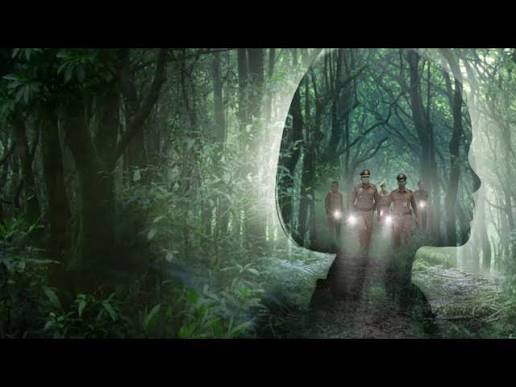
Chompoo: Lost and Forgotten is a disturbing and thought-provoking 2026 Netflix true-crime documentary directed by Nontawat Numbenchapol. Running approximately 85 minutes, the Thai documentary revisits the disappearance and death of three-year-old Orawan “Nong Chompoo” Wongsricha in Thailand while examining how the investigation became a massive media spectacle.
Released on August 20, 2026, the film is less interested in presenting a conventional murder mystery than in exploring what happened when television networks, YouTubers, online audiences, and public opinion became deeply involved in the case.
Story and Premise
In 2020, three-year-old Chompoo disappeared from Kok Kork village in Thailand’s Mukdahan province. Her body was discovered in a forest three days later, beginning a lengthy investigation that attracted enormous national attention.
Because the case initially lacked decisive forensic evidence, the investigation continued for more than a year. During that period, Chompoo’s uncle Chaiphon Wipha, commonly known as “Uncle Phon,” became the focus of intense public interest. Instead of remaining simply a suspect, he gradually became something of a media celebrity, attracting supporters, donations, and constant attention.
This strange transformation is the central subject of the documentary.
A True-Crime Documentary About the Media
The most interesting thing about Chompoo: Lost and Forgotten is that it isn’t really a traditional whodunit. The documentary uses the case to question how modern media can transform a tragedy into entertainment.
Television reporters, YouTubers, amateur investigators, and online audiences all became part of the story. Coverage sometimes moved beyond reporting facts and into speculation, personality-driven storytelling, and public judgment. The documentary argues that the enormous attention surrounding Uncle Phon ultimately pushed the actual victim further into the background.
That idea gives the film its strongest emotional impact. The title itself is deliberately uncomfortable: the child who was at the center of the tragedy gradually became the least visible person in the media narrative.
What Works
The documentary’s greatest strength is its subject matter and social commentary.
Interviews with Chompoo’s father provide an emotional perspective that helps move the story away from the sensationalism surrounding the suspect. Media analysts and journalists also offer useful insight into how the case developed into what one commentator describes as something resembling an interactive reality show.
The archival material is another major strength. Because the case was followed extensively by Thai television and online media, the filmmakers have a substantial amount of footage showing how public fascination evolved.
The film also raises an important question: when does covering a crime stop being journalism and become entertainment?
That question remains relevant well beyond this particular case.
Where the Film Falls Short
Unfortunately, Chompoo: Lost and Forgotten doesn’t always explore its fascinating subject as deeply as it could.
One major weakness is the film’s treatment of the investigation itself. Critics have noted that the documentary spends so much time examining the media circus that important details about the evidence, timeline, and legal case receive comparatively little attention.
The interview with Uncle Phon is also surprisingly unsatisfying. Rather than providing meaningful insight into his motives or the circumstances surrounding the crime, his appearance can feel superficial. That makes it difficult for the documentary to fully answer some of the questions viewers naturally have about the case.
The film’s criticism of social media can also feel somewhat obvious. The idea that online platforms can amplify misinformation, create celebrities, and encourage sensationalism is hardly new. A deeper examination of why audiences became so fascinated with this particular suspect would have made the documentary more powerful.
Emotional Impact
Despite its flaws, the documentary is difficult to dismiss emotionally.
The most upsetting element is the contrast between the attention given to Uncle Phon and the relatively limited attention given to Chompoo herself. Viewers see how a three-year-old girl’s death became surrounded by celebrity culture, speculation, donations, livestreams, and competing media narratives.
The film therefore works best not simply as a murder documentary but as a critique of society’s appetite for true crime.
It asks viewers to consider their own role as consumers of these stories.
Final Verdict
Chompoo: Lost and Forgotten has a genuinely fascinating premise and an important message, but its execution is uneven. The documentary succeeds when it examines the media frenzy and the way a murder investigation became a form of public entertainment. It is less successful when attempting to explain the actual investigation and the evidence behind the eventual legal outcome.
At 85 minutes, it is also relatively concise, which keeps the film moving but leaves some aspects underdeveloped.
For true-crime fans looking for a conventional investigative documentary with a detailed reconstruction of the crime, this may be disappointing. For viewers interested in media ethics, social-media culture, public obsession, and the psychology of true crime, however, it offers plenty to think about.
Rating: 7/10
Final Verdict: Chompoo: Lost and Forgotten is a disturbing examination of how a tragic child-murder case became a media phenomenon. Its biggest strength is its criticism of sensationalist journalism; its biggest weakness is that the documentary sometimes becomes so focused on the media spectacle that the actual investigation gets pushed aside.
Where to Watch
Chompoo: Lost and Forgotten is currently streaming on Netflix. The documentary is available as an approximately 85-minute feature.