Yoh! Bestie 2026 Movie Review
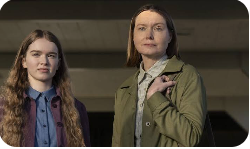
Yoh! Bestie (2026) is the kind of film that sneaks up on you with laughter and leaves you unexpectedly reflective, a vibrant contemporary dramedy that explores friendship, ambition, betrayal, and self-discovery through the chaotic yet tender bond between two young women navigating adulthood in a fast-paced urban landscape. From its opening scenes, the film establishes a tone that is playful and energetic, immersing viewers in the colorful world of its protagonists, Lindi and Tasha, whose friendship has been the defining constant in their otherwise unstable lives.
They are opposites in temperament—Lindi is cautious, organized, and career-focused, while Tasha is impulsive, charismatic, and always chasing the next thrill—but their chemistry feels authentic and lived-in, making it easy to believe they have shared years of inside jokes, late-night heart-to-hearts, and reckless adventures. The screenplay smartly avoids idealizing friendship; instead, it presents it as something layered and occasionally messy, shaped by jealousy, unspoken competition, and differing visions for the future.
What makes Yoh! Bestie stand out is how it balances its comedic flair with emotional honesty, using humor not as a distraction from conflict but as a vehicle to expose deeper truths about growing apart and growing up. The comedic timing is sharp, with dialogue that feels natural rather than scripted, filled with witty exchanges and cultural references that resonate strongly with a youthful audience without alienating older viewers. Yet beneath the laughs lies a narrative driven by change: Lindi’s promotion at a marketing firm and Tasha’s sudden entrepreneurial venture create a rift that neither initially acknowledges, but which gradually widens as miscommunication and pride take root.
The film’s pacing is brisk, moving fluidly between glamorous rooftop parties, cramped apartment confrontations, and quiet reflective moments that reveal the characters’ vulnerabilities. Visually, the cinematography enhances the story’s themes by contrasting bright, saturated cityscapes that symbolize possibility with more muted interiors during moments of conflict, subtly mirroring the emotional states of the characters. The director demonstrates a keen understanding of modern relationships, portraying how social media, career pressure, and the performative nature of “having it together” can strain even the strongest bonds. One particularly striking element is the way the film portrays ambition—not as inherently noble or selfish, but as something that tests loyalty.
Lindi’s desire for stability clashes with Tasha’s hunger for independence, and their arguments are written with nuance, ensuring neither character is framed as entirely right or wrong. This moral balance invites viewers to empathize with both perspectives, reflecting the reality that friendships often fracture not because of malice, but because of diverging paths. The supporting cast adds depth without overshadowing the central duo; side characters serve as mirrors, offering advice, stirring tension, or highlighting what Lindi and Tasha risk losing. A romantic subplot introduces additional stakes, yet the film wisely keeps the focus on platonic love, resisting the trope of reducing female relationships to rivalry over a partner. Instead, the romance becomes another lens through which insecurity and trust are examined. The soundtrack deserves special mention for its seamless integration into the narrative, blending upbeat anthems with softer acoustic tracks that underscore emotional turning points, enhancing scenes without overwhelming them.
There is a particularly powerful montage midway through the film, showing Lindi and Tasha navigating separate successes while silently missing each other, that captures the bittersweet reality of drifting apart despite shared history. While the film does rely on a few predictable beats—the explosive fallout, the period of silence, the climactic reconciliation—it executes them with sincerity and enough character-specific detail to feel earned rather than formulaic. The emotional climax, set during a high-profile launch event gone wrong, forces both women to confront their pride and articulate the fears they have long avoided: fear of being left behind, fear of inadequacy, fear that success might demand sacrifice of the very people who once cheered them on. It is in these raw exchanges that Yoh! Bestie reveals its true strength, demonstrating that vulnerability is not weakness but the foundation of enduring connection.
The performances anchor the film with remarkable authenticity; both lead actresses embody their roles with a natural ease that makes every laugh, tear, and side-eye feel genuine. Their nonverbal communication—the shared glances, the awkward pauses after a harsh word, the subtle softening during reconciliation—speaks volumes and elevates the script. Another commendable aspect is the film’s cultural specificity, which enriches the story without making it inaccessible. The dialogue incorporates local slang and social dynamics that ground the narrative in a recognizable reality, giving it texture and personality. At the same time, the themes of loyalty and identity are universal, ensuring that audiences from diverse backgrounds can see reflections of their own friendships in Lindi and Tasha’s journey.
The film also quietly critiques hustle culture, suggesting that relentless pursuit of status can erode the simple joy of shared moments. Through small yet poignant scenes—such as an abandoned weekly brunch tradition or an unread message lingering on a phone screen—the story emphasizes how neglect often begins with minor choices that accumulate over time. Importantly, Yoh! Bestie does not romanticize reconciliation as a return to the past; instead, it portrays it as a renegotiation of boundaries and expectations, acknowledging that growth changes relationships but does not necessarily end them. This mature perspective distinguishes it from lighter friendship comedies that tie conflicts up too neatly. The editing contributes to the film’s dynamic rhythm, using quick cuts during comedic exchanges and lingering shots during emotional confrontations, creating a balanced viewing experience that feels both entertaining and introspective. While some secondary plotlines could have been explored more deeply—particularly Tasha’s backstory and the roots of her fear of stagnation—the focus on the central relationship ensures narrative cohesion.
By the film’s conclusion, the audience is left not with a simplistic message about best friends forever, but with a more resonant insight: that true friendship requires communication, adaptability, and the courage to confront uncomfortable truths. The final scenes, which echo the film’s opening but with subtle changes in tone and body language, signal evolution rather than repetition, underscoring how the characters have matured through conflict. Ultimately, Yoh! Bestie succeeds because it captures the fragile yet resilient nature of friendship in a modern world that constantly pulls people in different directions. It entertains with humor and style while offering thoughtful commentary on ambition and connection, making it both a crowd-pleaser and a conversation starter. The film reminds viewers that while careers may shift, romances may falter, and cities may change, the friends who witness our growth remain integral to our sense of self—provided we nurture those bonds with honesty and humility. In doing so, Yoh! Bestie earns its emotional payoff and secures its place as a relatable, heartfelt exploration of what it truly means to call someone your best friend in an era defined by change.