Primetime Preacher$ Review 2026 Tv Show Series Cast Crew Online
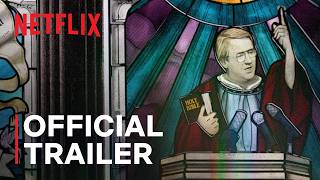
Primetime Preacher$ (2026) is a fascinating documentary that explores the rise, influence, scandals, and eventual downfall of some of America’s most powerful television evangelists during the 1980s. Directed by Joe Berlinger, the Netflix documentary takes viewers back to a period when religious broadcasting became a major television business and influential preachers attracted millions of viewers through their televised sermons. The film focuses on Jim Bakker, Jimmy Swaggart, and Jerry Falwell, three prominent religious figures whose ambitions, rivalries, and personal controversies became major public stories. What makes the documentary particularly interesting is its examination of how faith, television, money, and political influence became connected. These men initially presented themselves as spiritual leaders offering hope and guidance, but their growing media empires also brought enormous financial power and public attention. Through archival footage, personal accounts, and interviews with people familiar with the events, the documentary examines how these religious organisations developed and why their reputations eventually suffered. It is an intriguing subject that offers viewers an opportunity to understand a controversial chapter in American religious and television history.
One of the central figures in the documentary is Jim Bakker, whose television ministry became an enormous media operation during the 1980s. Alongside his wife, Tammy Faye Bakker, he helped build the PTL network into a successful religious broadcasting empire. Their television programme attracted a large audience, and their public image presented them as energetic religious personalities who wanted to spread their message to people across the country. However, behind the television cameras, the organisation faced serious financial and personal controversies. The documentary examines how the ministry expanded, how donations supported its activities, and how its growing ambitions eventually created major problems. Bakker’s story becomes one of the most important parts of the film because it demonstrates how quickly public admiration can turn into criticism when serious questions emerge about financial responsibility and personal conduct.
Jimmy Swaggart provides another important perspective. He was a popular television evangelist whose sermons attracted a substantial following. His rivalry with Jim Bakker becomes an essential part of the documentary, particularly when the personal controversies surrounding Bakker begin attracting national attention. Swaggart publicly criticised his rival, positioning himself as someone who opposed wrongdoing within religious leadership. However, his own personal scandal eventually created a similar crisis for his ministry. The documentary explores this contradiction and examines how religious figures who publicly demanded moral accountability sometimes struggled to meet the same expectations in their private lives. This part of the story is particularly interesting because it reveals the complicated relationship between public reputation, personal behaviour, and religious authority.
Jerry Falwell also plays a significant role in the documentary. As an influential televangelist and political figure, Falwell represented another side of the growing relationship between television ministry and American conservative politics. His involvement in the PTL controversy created additional conflict, especially when he became connected to the struggle surrounding Bakker’s organisation. The documentary examines how religious broadcasting gradually developed into something much larger than a platform for sermons. Television gave these personalities access to enormous audiences, while their organisations developed significant financial and political influence. Falwell’s story helps explain how religious broadcasting became an important part of America’s wider cultural and political landscape.
Joe Berlinger’s direction gives the documentary a familiar investigative style while keeping the complicated historical events accessible. Rather than presenting the story through a simple chronological explanation, the film uses archival footage, interviews, personal recollections, and television recordings to recreate the atmosphere of the period. The original broadcasts are particularly valuable because they allow viewers to see how these religious personalities presented themselves to the public. Their television appearances often featured emotional sermons, enthusiastic audiences, and carefully produced presentations designed to create a strong connection with viewers. These historical recordings make the documentary more engaging because audiences can compare the public image of these figures with the controversies that later emerged.
The interviews are another important strength. Former employees, journalists, lawyers, insiders, and people connected to the ministries provide different perspectives on the events. Their accounts help explain what happened behind the scenes and why the controversies became so significant. The documentary also includes perspectives from individuals who experienced the consequences of these organisations’ decisions. These contributions prevent the film from becoming entirely focused on the personalities of the preachers. Instead, it considers the people who supported them, worked for them, reported on them, and eventually questioned their leadership. The different accounts also demonstrate how difficult it can be to separate genuine religious belief from the financial and personal interests of powerful individuals.
Another important aspect is the documentary’s examination of money. Religious broadcasting during the 1980s became a major business, with television ministries receiving donations from viewers who believed they were supporting important spiritual work. The film explores how financial contributions helped build large organisations and how some leaders became involved in questionable financial practices. The PTL controversy is particularly significant because it demonstrates the consequences of treating religious organisations like personal commercial empires. The documentary raises important questions about transparency, accountability, and the responsibilities that come with receiving money from people who place their trust in religious leaders.
The film also explores the connection between television evangelism and politics. During the 1980s, religious broadcasting became increasingly influential in shaping public discussions about American society, morality, and political leadership. These preachers were not simply television personalities delivering religious messages. They were influential figures who could attract large audiences and affect public opinion. Their ability to communicate directly with viewers gave them considerable cultural influence. The documentary suggests that the development of these television ministries helped transform evangelical Christianity into a stronger political force. This historical perspective gives the film relevance beyond the individual scandals because it connects events from several decades ago with broader questions about religion and media influence today.
Tammy Faye Bakker’s presence in the historical material also adds an emotional dimension. Her television personality, distinctive appearance, and expressive public performances made her one of the most recognisable figures associated with PTL. The documentary revisits her place within the ministry and the complicated circumstances surrounding its collapse. Her personal story provides a different perspective on the pressures of living inside a highly public religious organisation. The film also considers Jessica Hahn’s role in the scandal, giving attention to the allegations and events that contributed to the collapse of Bakker’s public reputation. These sections are among the most serious parts of the documentary because they demonstrate how personal misconduct and public power can have consequences for people outside the organisations themselves.
The editing and presentation help maintain the documentary’s investigative atmosphere. The archival footage gives the story a strong sense of historical authenticity, while the interviews provide context for understanding the different controversies. The 1980s television recordings also create an interesting visual contrast with the more direct and contemporary interview segments. The soundtrack supports the dramatic developments without becoming overly distracting. At approximately 113 minutes, the documentary covers a considerable amount of information, although some sections could have benefited from a more focused presentation.
However, Primetime Preacher$ is not without weaknesses. Viewers who are already familiar with Jim Bakker, Jimmy Swaggart, and Jerry Falwell may find that much of the information feels familiar. Some scandals receive considerable attention, while the broader cultural and political consequences of televangelism could have been explored more deeply. The documentary occasionally focuses more on personal rivalries and sensational controversies than on the larger social questions surrounding religious broadcasting. Certain interviews also repeat information that has already been established. As a result, the film sometimes feels longer than necessary. Nevertheless, its historical footage and firsthand accounts make it worthwhile, particularly for audiences discovering these events for the first time.
Overall, Primetime Preacher$ (2026) is an engaging and informative documentary that examines the complicated relationship between religion, television, money, and personal ambition. Joe Berlinger brings together historical recordings, interviews, and investigative storytelling to revisit one of the most controversial periods in American religious broadcasting. The stories of Jim Bakker, Jimmy Swaggart, and Jerry Falwell provide an interesting look at how influential religious personalities built powerful media organisations and how scandals damaged their public reputations. Although the documentary could have explored some of its broader political and cultural themes in greater detail, it succeeds in presenting an entertaining account of a fascinating historical subject. It is particularly recommended for viewers interested in true stories, investigative documentaries, media history, and religious controversies. Primetime Preacher$ is worth watching for its revealing archival footage, compelling interviews, historical perspective, and examination of how faith, fame, money, and power can become dangerously connected.