Better Late Than Single Review 2025 Tv Show Series Cast Crew Online
Netflix’s latest Korean dating‑reality offering, Better Late Than Single, which premiered globally on July 8, 2025, shakes up the genre by zeroing in on adults who’ve never experienced a romantic relationship before—what Koreans call “motae solo.” Guided by an empathetic ensemble of “Cupid Experts” led by actor‑singer Seo In Guk, actress Kang Han Na, comedian Lee Eun ji, and singer Car, the Garden, the show departs from the glitzy, competition‑driven dating formats dominating reality Across ten episodes—released in batches over four weeks, with the first three launching on day one and the finale scheduled for July 29 it immerses viewers in a nine‑day experience inside a shared house, where transformation—both heart and image—is the order of the day.
From the outset the tone is different: there are no dramatic elimination rounds, no exotic beach‑side backdrops, and no slow‑burn love triangles engineered for peak dramatic tension. Instead, the show is structured around intimate, deliberate steps toward self‑discovery and emotional vulnerability. Contestants—hand‑picked through a competitive process involving 4,000 applicants plus vetting with friends and family —are treated to personal makeovers that go well beyond outfits: sessions in confidence‑building, conversational coaching, posture, and dating etiquette ensure that their transformation is as internal as it is external From sweatpants to suits, shy looks to open smiles, each participant evolves measurably, and the hosts—especially Seo In Guk and Kang Han Na—bear witness to these changes with the thoughtful encouragement of older siblings rather than the aloof poise of typical celebrity hosts
What truly sets Better Late Than Single apart is its emotional architecture. Episodes are paced so that awkwardness isn’t glossed over, but rather embraced. The first‑time daters stumble, blush, ask halting questions like, “Is love really this hard?”, and sometimes experience confessions tinged with both humor and dread—one even jokes that “marriage comes to mind” by episode six These unfiltered moments serve as connective tissue, drawing viewers into an almost vicarious participation in their tentative steps toward love. It’s a painfully sweet, sometimes cringy journey—yet devoid of toxic drama or contrived competition.
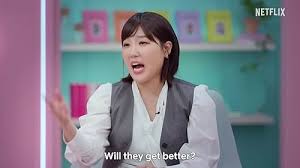
The hosts’ involvement is central. Rather than serving as armchair critics, Seo In Guk, Kang Han Na, Lee Eun ji, and Car, the Garden take on mentorship roles, pairing up with contestants and offering real‑time guidance—be it wry humor, emotional pep‑talks, or style advice They gather off‑camera to build rapport; their candid emotional investment in the cast deepens the show’s sincerity Early skepticism has given way to genuine surprise: Lee Eun ji expected a mild show but says it packs spicy surprises—particularly from episode five onward . Kang Han Na echoes this, noting the pace picks up from turtle‑like caution to a full emotional roller‑coaster mined for both laughs and tears
Structurally, the show forgoes the spectacle of elimination ceremonies or popularity votes; it’s more week‑by‑week character arcs than game mechanics. A few “hidden yet cute” challenges—surprise overnight dates, impromptu confessions, unexpected emotional prompts—break up the routine and organically kindle deeper bonds . The nine‑day window creates an immersive intimacy: roommates become confidantes, guiding hands become emotional lifelines, and the awkwardness of first touches becomes a shared, almost communal, experience.
Visually and sonically, Better Late Than Single mirrors its emotional aims. The shared‑house setting is cozy and lived‑in—not glossy or staged. Lighting and camera work evoke warmth, and the pacing mimics real conversations more than montage‑bombed sequences. Moments are given time to breathe: a blush‑filled silence isn’t rushed; a nervous smile isn’t glossed over. The lack of dramatic narrative cuts builds empathy and keeps viewers aligned emotionally with the cast.
Thematically, the show explores timing, vulnerability, identity, and societal expectations. In a culture where singlehood beyond a certain age can attract social stigma, especially for women, the show relieves that burden by spotlighting “late bloomers” in the late‑20s to 30s bracket
It feels progressive—not because it adds drag queens or polyamorists, but because it normalizes the right to begin dating later in life and unpacks the emotional baggage of inexperience: fear, self‑doubt, societal blame, and the yearning for intimacy.
The show also riffs on confidence: makeovers aren’t just “glow‑ups”; they’re lifelong lessons about posture, style, and conversation as self‑care. The hosts’s candid reflections—Seo In Guk noting how a suit changed a participant’s posture, and Car sharing his own first‑love awkwardness—underscore the universality of these transformative gestures
While the pace is mellow early on, the show delivers emotional spikes in acts: surprises, confessions, heated eye‑contact in the dark. As Lee Eun‑ji warns, by the midseason, there’s plenty of spice—just not the dramatized kind .
Comparisons to Single’s Inferno are inevitable. But where that show traded on enforced proximity, image‑focused judgments, and competition, Better Late Than Single opts for relational sincerity. There are no bells, no prize money; the only prize is emotional growth. Debate over which show is “better” is almost missing the point—the latter is about emotional return‑on‑investment, not spectacle.
Still, the show’s success hinges on relatability. Without it, there’s risk that viewers might drift into boredom. But early reactions (and host comments) suggest enough unexpected humor and real emotion to keep interest peaks across episodes . In a media landscape flooded with polished, aggressive dating content, the gentle vibe of Better Late Than Single is in itself a standout.
Production is steady: director Won Seung‑Jae and team aim for authenticity over staging. Contestants were pre‑screened, their friends/family vetted their storyline claims, and off‑camera mentor support was part of the process—not just a TV device. Some may question the “never dated before” narrative’s absolute veracity, but the emotional resonance feels real and uncontrived.
By focusing on adults taking love‑first steps, the show taps into a universal well of emotional vulnerability and late bloom anxiety. In doing so, it addresses issues of self‑esteem, societal pace, and the beauty of delayed timing. Watching a 30‑something voice their first “I miss you,” falter mid‑question, or lean into a partner’s hug for the first time—these moments feel sincere and carry the emotional weight absent in faster, glossier formats.
Overall, Better Late Than Single challenges the dating show paradigm by removing the game and centering on growth, humanity, and emotional second chances. It’s part makeover show, part self‑help retreat, and part ensemble drama. Emotional pacing is key—episode to episode we see measurable evolution: participants learn to hold eye contact, express desire, navigate conflict. The hosts’s relatable commentary, the blurred lines between public and private, and the palpable sincerity make it more of a shared emotional journey than mere televised dating.
That said, its appeal may be niche—those seeking fireworks and elimination drama might find the pacing slow. But where the genre often skims surface attraction, Better Late Than Single digs deeper into **how love begins—not