On Behalf of My Son 2026 Movie Review
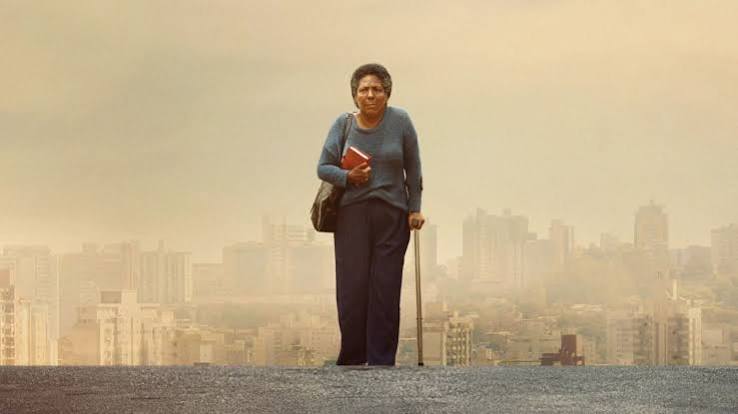
On Behalf of My Son (2026) is a deeply emotional Brazilian drama that explores grief, guilt, forgiveness, family relationships, and the difficult search for truth after a devastating tragedy. Directed by Gabriel Martins, the film tells the story of Vicentina, a 75-year-old retired teacher whose life changes completely after her son Wesley dies in a terrible bus accident. What makes the situation even more painful is that Wesley was driving the bus when it crashed, killing almost everyone on board. As news reports and security camera footage begin raising questions about whether the accident was intentional, Vicentina finds herself facing an uncomfortable reality about the son she loved. Instead of remaining isolated in her grief, she decides to visit the families of the victims and personally apologize for what happened. Her journey becomes an emotional exploration of responsibility, compassion, and the complicated relationship between a mother’s love and the actions of her child. The film has a powerful central concept because it focuses not only on the tragedy itself but also on the people who must continue living with its consequences. About Netflix+1
Rejane Faria delivers an outstanding performance as Vicentina, carrying much of the film through her emotional presence and subtle expressions. Vicentina is an elderly woman who has spent most of her life fulfilling her responsibilities as a mother and teacher. Losing her son creates a void that she struggles to understand, particularly because the circumstances surrounding his death are so complicated. She is not simply mourning someone she loved; she is also trying to understand whether the person she raised could have deliberately caused such terrible suffering. Rejane Faria portrays these conflicting emotions with remarkable sensitivity. Her performance does not depend on constant crying or dramatic speeches. Instead, she communicates much of Vicentina’s pain through silence, facial expressions, and small reactions during difficult conversations. This makes the character feel believable and gives the film much of its emotional strength.
One of the most interesting aspects of Vicentina’s character is her decision to meet the families of the victims. Her journey is not presented as an easy attempt to receive forgiveness. She understands that an apology cannot bring back the people who died or erase the pain experienced by their loved ones. Nevertheless, she feels a responsibility to acknowledge their suffering. Every meeting introduces a different emotional situation, and Vicentina must learn how to listen to people whose experiences are completely different from her own. Some may be willing to hear her, while others have understandable reasons for refusing to accept her apology. These encounters create some of the film’s most powerful moments because they demonstrate that grief does not affect everyone in the same way.
The story becomes even more complicated through its treatment of Wesley. Renato Novaes plays Wesley, whose death is the central event that drives the narrative. Although he is no longer alive for much of the story, his presence remains important through memories, conversations, and the questions surrounding his final actions. The uncertainty about whether he deliberately caused the accident becomes an emotional burden for Vicentina. She must confront the possibility that her son may have been responsible for the deaths of innocent people. This situation raises difficult questions about how well parents truly know their children and whether love can exist alongside disappointment and moral uncertainty. The film avoids making these questions unnecessarily simple, allowing viewers to form their own understanding as more details emerge.
Maíra Azevedo also contributes to the emotional development of the story. Her character, Joana, helps expand the narrative beyond Vicentina’s immediate experience and provides another perspective on the consequences of the tragedy. The supporting cast, including Giovanni Venturini, Giovanna Heliodoro, Grace Passô, Marisa Revert, Fernanda Vianna, and Flávio Bauraqui, adds depth to the different relationships and situations explored throughout the film. Each character represents a different emotional response to loss, making the story feel larger than one family’s personal tragedy.
The screenplay is particularly effective because it focuses on human reactions rather than relying on complicated plot twists. Vicentina’s journey provides the structure, but the emotional conversations and unexpected responses give the story its meaning. The film understands that asking for forgiveness is not the same as receiving it. Some people may appreciate her courage, while others may feel that her presence only reminds them of what they have lost. This creates an uncomfortable but realistic atmosphere. The characters are allowed to express anger, sadness, confusion, and frustration without being forced into easy resolutions. As a result, the film feels emotionally honest.
Another important theme is the relationship between guilt and responsibility. Vicentina did not cause the accident, yet she feels personally connected to the suffering of the victims because Wesley was her son. Her decision to apologise raises an interesting moral question: how much responsibility should family members carry for the actions of someone they love? The film does not offer a straightforward answer. Instead, it examines the emotional reasons behind Vicentina’s actions and shows how her personal understanding of responsibility changes throughout the journey. Her experiences also demonstrate that acknowledging another person’s suffering can be meaningful even when forgiveness is not guaranteed.
Gabriel Martins’ direction deserves particular appreciation. He approaches the material with patience and avoids turning the tragedy into an unnecessarily sensational drama. The bus accident is an important event, but the film is much more interested in what happens afterwards. This decision gives the characters enough space to develop and allows the audience to experience the emotional consequences of the tragedy. The director also makes effective use of silence and ordinary conversations. Some of the most memorable moments come from situations in which characters struggle to find the right words. These scenes demonstrate how difficult it can be to discuss loss when emotions remain unresolved.
The cinematography by Leonardo Feliciano adds another layer to the storytelling. The Brazilian setting, particularly the city of Belo Horizonte, provides a realistic environment for the events. Rather than presenting the locations as attractive tourist destinations, the film uses everyday streets, homes, and public spaces to create a grounded atmosphere. The camera often remains close to Vicentina, allowing viewers to observe her expressions and emotional reactions. This visual approach makes her journey feel intimate and personal. Tiganá Santana’s music also complements the atmosphere, supporting the emotional scenes without overwhelming them. The editing maintains a deliberate pace that suits the reflective nature of the story.
One of the film’s greatest strengths is its willingness to explore uncomfortable emotions. Vicentina’s love for her son does not disappear simply because questions emerge about his behaviour. At the same time, she cannot ignore the suffering of the families affected by the accident. This conflict creates a complicated emotional situation that many films might avoid. The story recognises that people can experience love, anger, disappointment, and grief simultaneously. It also shows that healing does not always mean finding complete answers or reaching a perfect resolution. Sometimes it simply means accepting difficult truths and learning how to continue living.
However, On Behalf of My Son may not appeal to every viewer. Its slow and reflective storytelling requires patience, particularly for audiences who prefer fast-moving plots and frequent dramatic developments. Some conversations are emotionally demanding, and the film occasionally spends considerable time exploring situations that could have been presented more briefly. Its subject matter is also quite heavy, involving death, bereavement, and questions surrounding possible intentional harm. Viewers expecting a conventional mystery or crime thriller may be surprised by its quieter approach. Nevertheless, these qualities are closely connected to the film’s artistic intentions.
Overall, On Behalf of My Son (2026) is a moving Brazilian drama that delivers a thoughtful examination of motherhood, grief, accountability, and forgiveness. Gabriel Martins creates an emotionally grounded story, while Rejane Faria gives a powerful central performance that makes Vicentina’s journey memorable. The supporting cast, realistic cinematography, meaningful conversations, and carefully developed themes contribute to an experience that stays with viewers beyond the final scenes. Although its slow pacing and emotionally heavy subject matter may not suit everyone, the film succeeds in presenting a deeply human story without relying on unnecessary melodrama. It is particularly recommended for audiences who appreciate character-driven international cinema and realistic family dramas. On Behalf of My Son is worth watching for its exceptional lead performance, emotional storytelling, and powerful exploration of how love and responsibility can exist alongside grief and painful truths.