Rolling Loud 2026 Movie Review
The 2026 film Rolling Loud brings together music, comedy, youth culture, and the excitement of one of the most recognizable names in hip-hop. The title immediately evokes images of enormous crowds, energetic performances, booming speakers, and the distinctive atmosphere of a major music festival. As a film, Rolling Loud draws attention to the relationship between music and contemporary youth culture while exploring the entertainment possibilities of a story connected to the hip-hop world. Its subject offers plenty of opportunities for humor, memorable characters, and situations driven by the unpredictable nature of live entertainment. The film’s central appeal lies in its connection to a music scene that has become an important part of popular culture, particularly among younger audiences. Rather than relying entirely on traditional cinematic conventions, a movie built around this setting can explore the excitement, confusion, and personal experiences associated with a large-scale musical event. The result is a premise that combines the appeal of a comedy with the cultural influence of hip-hop, offering viewers an opportunity to experience the festival atmosphere through a cinematic perspective.
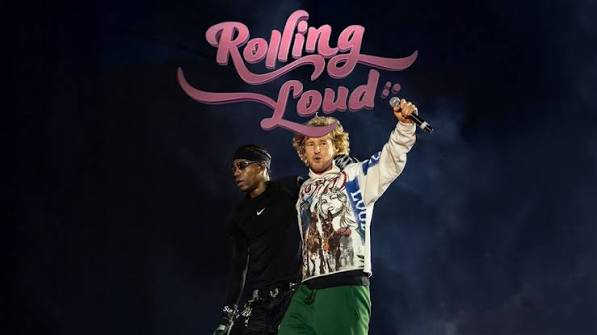
Directed by Jeremy Garelick, Rolling Loud stars Owen Wilson as Hank, an overprotective father who wants to strengthen his relationship with his 13-year-old son, Zion, played by Christian Convery. Hank decides to take his son to the famous Rolling Loud hip-hop festival in Miami, even though his wife disapproves of the idea. What begins as an attempt to connect with his child soon turns into a chaotic adventure when Zion disappears into the enormous festival crowd. Hank must then navigate the crowded concert grounds, deal with security obstacles, and search for his missing son. He is accompanied by his reckless co-worker, played by Matt Rife, and other unusual characters who add to the confusion. The basic premise is simple, but it creates opportunities for a wide variety of comic situations. The film’s story is also inspired by director Jeremy Garelick’s own experience of briefly losing his teenage son at a real Rolling Loud festival, giving the central situation a personal background.
Owen Wilson’s performance is one of the film’s principal attractions. Known for his relaxed delivery, distinctive voice, and natural comic timing, Wilson brings a familiar style to the character of Hank. His portrayal revolves around the contrast between a well-meaning father and the unpredictable environment in which he finds himself. Hank wants to appear understanding and adventurous in front of his son, but his decisions repeatedly create new problems. Wilson’s understated reactions provide a source of comedy, particularly when his character is confronted with situations he cannot easily control. His performance also gives the film an emotional centre, since Hank’s increasingly desperate search is motivated by genuine concern for his child. The character is not presented as a perfect parent, and his mistakes form an important part of the story. This combination of good intentions, poor decisions, and parental anxiety provides Wilson with opportunities to balance humour with moments of sincerity.
Matt Rife plays Terry, Hank’s co-worker, whose reckless attitude contrasts with Hank’s more cautious personality. Their contrasting temperaments create much of the comedy surrounding the search for Zion. Rife’s character brings an unpredictable energy to the adventure, frequently complicating situations that are already difficult. The partnership between Hank and Terry allows the film to explore the familiar comedy formula of two very different people being forced to work together. Wilson’s restrained reactions and Rife’s more outspoken approach provide opportunities for amusing exchanges. However, the effectiveness of this pairing depends on how naturally the characters interact and how well the screenplay develops their relationship. The contrast between the two personalities gives the narrative a convenient source of humour, although viewers who prefer subtle comedy may find some of the more exaggerated situations less appealing.
Christian Convery’s portrayal of Zion is also important because the entire adventure revolves around the father-son relationship. Zion represents a teenager who wants greater independence and an opportunity to enjoy music and entertainment on his own terms. His interests differ from those of his father, creating a familiar generational conflict. Hank’s decision to take him to Rolling Loud reflects his desire to understand his son’s interests, even though he does not fully appreciate the risks involved. This difference in perspective provides the story with its emotional foundation. The father-son relationship is a recognisable subject, and the festival setting gives it an unusual backdrop. The film’s central conflict is therefore not simply about finding a missing child; it is also about a parent attempting to understand a teenager who is gradually becoming more independent.
The presence of real hip-hop artists is another distinctive aspect of Rolling Loud. Travis Scott, Sexyy Red, Ty Dolla $ign, and Ski Mask the Slump God are among the musical personalities associated with the film. Their appearances connect the fictional story to the actual hip-hop festival and give the production a degree of cultural familiarity. Travis Scott’s involvement is particularly relevant because his music and public identity are closely associated with the festival’s atmosphere. The inclusion of well-known artists creates opportunities for concert scenes and appearances that may appeal to hip-hop fans. Henry Winkler and Christine Ko also contribute to the ensemble, broadening the film’s cast beyond its principal comic pairing. The combination of established actors, comedians, and musicians gives the production a distinctive mixture of entertainment backgrounds.
One of the film’s most immediately recognisable features is its setting. Rolling Loud is associated with large audiences, energetic performances, elaborate stages, and a lively festival environment. Bringing that atmosphere to the screen gives the filmmakers an opportunity to create a visual experience that differs from a conventional family comedy. The crowds, concert stages, backstage areas, and busy festival grounds provide a setting in which unexpected incidents can develop. The music festival is not merely a background location; it is central to the story’s conflict. Hank’s unfamiliarity with the environment makes ordinary situations more complicated, while the enormous crowds increase the difficulty of finding Zion. The setting also allows the film to incorporate the visual language of contemporary music culture, including colourful lighting, large performance spaces, and the movement of concertgoers.
The musical element is particularly significant because the festival itself is closely connected to the film’s identity. Hip-hop is not simply a soundtrack choice but an essential part of the story’s world. The involvement of artists associated with the festival gives the production opportunities to incorporate authentic performances and recognisable musical references. For audiences who regularly listen to contemporary hip-hop, these elements may provide an additional reason to watch the film. Viewers unfamiliar with the genre may instead approach the music as part of the film’s broader festival setting. The soundtrack and performances can help establish the atmosphere, distinguish different scenes, and maintain the sense of activity surrounding the characters. Nevertheless, the presence of popular musicians alone cannot guarantee a compelling cinematic experience. Their contribution ultimately depends on how effectively the musical sequences support the story.
The screenplay focuses on a relatively straightforward conflict, allowing the film to combine family comedy with the unpredictable circumstances of a music festival. Hank’s original intention is to spend time with his son, but his decision to ignore his wife’s objections creates the conditions for the adventure. Once Zion disappears, the narrative shifts towards the search, introducing a succession of encounters and complications. This structure offers a familiar foundation for a comedy, as the protagonist’s efforts to correct one mistake lead to further problems. The festival’s size and hectic atmosphere naturally lend themselves to misunderstandings, hurried decisions, and encounters with unusual personalities. However, a story built around a single search also faces the challenge of maintaining momentum. The characters and situations need sufficient variety to sustain interest throughout the film’s relatively short running time.
Family relationships provide a more serious dimension to the otherwise chaotic premise. Hank’s decision highlights a common difficulty experienced by parents of teenagers: finding a balance between protection and independence. He wants to become closer to Zion, but his approach demonstrates how easily good intentions can lead to irresponsible decisions. His wife’s objections also introduce another perspective on parenting, emphasising the importance of responsibility and trust. The film’s central situation therefore has implications beyond its comedic circumstances. Hank must confront the consequences of his choices while trying to maintain his relationship with his son. This theme gives the story a potentially relatable quality for parents, while teenagers may recognise Zion’s desire to enjoy an experience without constant parental supervision. The comedy arises from the collision between these different expectations.
Jeremy Garelick’s direction brings together the elements of a music comedy and a family adventure. His experience with mainstream comedy is reflected in the film’s accessible premise and its emphasis on characters facing increasingly complicated circumstances. The decision to place the story at a real hip-hop festival also provides an opportunity to capture an environment that is difficult to reproduce convincingly on an ordinary film set. The production’s connection to Live Nation Studios and the Rolling Loud brand gives it access to the world it depicts. The filmmakers have also incorporated real festival footage and concert-related material into the production, helping connect the story to the event’s atmosphere. Such a combination of fictional storytelling and real musical culture offers a different approach from a comedy that takes place entirely in an invented setting.
The film’s comedy is built around embarrassment, misunderstandings, and the contrast between Hank’s expectations and the reality of the festival. The idea of an ordinary father attempting to navigate a huge hip-hop event creates an immediate source of humour. His lack of familiarity with the environment makes him particularly vulnerable to unexpected situations. Terry’s presence adds another layer of unpredictability, while the festivalgoers and other supporting characters expand the range of possible encounters. The R rating also indicates that the film is intended for an adult audience rather than younger children. Its humour and subject matter are consequently different from those of a conventional family-friendly comedy. Viewers should be aware that the film includes strong language, sexual material, drug use, and graphic nudity, making it unsuitable for some audiences.
Despite its lively premise, the film’s story also raises questions about how effectively comedy and emotional storytelling can coexist. The disappearance of a 13-year-old child in a crowded festival is a situation that would ordinarily produce considerable fear and concern. Turning that experience into comedy requires a careful balance between entertaining incidents and the seriousness of the underlying circumstances. Hank’s anxiety can create humorous situations, but the narrative also needs to establish why the father-son relationship matters. The more convincing the emotional connection between the characters, the more meaningful their eventual interactions become. The film’s premise gives it an opportunity to explore these contrasting emotions, although the success of that approach depends on the execution of individual scenes and the development of the characters.
The supporting cast helps expand the story beyond Hank and Zion. Christine Ko contributes to the ensemble, while Henry Winkler adds another familiar acting presence. The musical appearances also allow the film to draw on the personalities and public images of performers who are already connected to the festival. This mixture of performers gives the production a broad appeal, particularly for viewers who enjoy seeing musicians appear in fictional roles. However, celebrity appearances are most effective when they serve a clear purpose within the story. Their value is not simply in recognising a familiar face but in seeing how that personality contributes to the fictional world. The festival setting provides a natural reason for musical artists to appear, although the amount of narrative significance given to each appearance varies.
At approximately 95 to 99 minutes, depending on the listing, Rolling Loud has a relatively compact running time for a feature comedy. Its concise length is suited to a story built around a single central objective: finding a missing child at a crowded festival. A focused narrative can help prevent the premise from becoming unnecessarily complicated, particularly when the humour depends on a series of connected incidents. The relatively short duration also makes the film accessible to viewers looking for a straightforward theatrical comedy rather than a lengthy dramatic experience. However, the film still needs to balance its musical sequences, supporting characters, comic encounters, and family storyline within that limited time.
Another notable aspect of Rolling Loud is its connection to contemporary youth culture. The festival represents a musical environment that many parents may find unfamiliar but that holds considerable importance for younger audiences. By placing a father in this setting, the film creates an opportunity to explore differences in taste, communication, and expectations between generations. Hank’s attempt to participate in his son’s interests is a recognisable expression of parental affection, even when his methods are questionable. The festival also becomes a space in which Zion can experience greater independence. This contrast gives the story a cultural dimension beyond its immediate comedy. It illustrates how music can bring different generations together while also highlighting the misunderstandings that can arise when parents attempt to understand their children’s interests.
As a cinematic experience, Rolling Loud is primarily designed for audiences who enjoy broad comedy, music-related entertainment, and stories about unconventional family adventures. Its combination of Owen Wilson’s familiar comic style, Matt Rife’s humour, and appearances by hip-hop artists gives it a distinctive identity. The premise is easy to understand, and the festival setting provides a visually recognisable world. Fans of Rolling Loud and contemporary hip-hop may particularly appreciate the connection to the real festival. Meanwhile, viewers interested mainly in family relationships may find the story’s central theme familiar. The film’s R rating, however, means that its festival comedy should not be confused with entertainment intended for children, despite the father-son relationship at its centre.
Rolling Loud was released theatrically in the United States on October 2, 2026, under the distribution of Ketchup Entertainment. Its release places it among the comedy films drawing on established entertainment brands and contemporary musical culture. The decision to develop a fictional feature around a real festival reflects the growing potential for collaborations between the film and live-music industries. The project combines the resources of Live Nation Studios, American High, and the Rolling Loud brand, creating a production that connects a fictional story to an established music event.
Overall, Rolling Loud offers a recognisable comedy premise built around an unusual combination of parental anxiety and hip-hop festival culture. Its story of a father attempting to reconnect with his teenage son provides the emotional foundation, while the missing-child adventure creates opportunities for chaotic situations and comic encounters. Owen Wilson leads the film with his familiar understated style, while Matt Rife and the supporting cast add contrasting personalities. The appearances of Travis Scott and other musical performers give the film a direct connection to the festival that inspires its title. Its principal themes include parenthood, teenage independence, family communication, and the difficulties of understanding another generation. At the same time, its adult humour and festival-related content make it a particular kind of comedy rather than a conventional family film. Since its theatrical release is on October 2, 2026, a definitive assessment of its overall critical reception would require reviews and audience responses published after release. The film’s premise, cast, and musical setting provide a clear picture of what it aims to deliver, but its ultimate success depends on how effectively its comedy, performances, and emotional storyline work together.