One Hundred Years of Solitude Season 2 Review 2026 Tv Show Series Cast Crew Online
One Hundred Years of Solitude Part 2 arrives with the daunting responsibility of concluding one of the most celebrated literary adaptations ever attempted, and it succeeds by embracing the novel’s emotional complexity rather than simplifying it for television. Instead of relying on spectacle alone, the series remains deeply committed to the poetic storytelling, magical realism, and cyclical themes that made Gabriel García Márquez’s masterpiece a landmark of world literature. The second part expands on the tragic destiny of the Buendía family with remarkable confidence, weaving together generations of love, ambition, obsession, violence, memory, and inevitable decline.
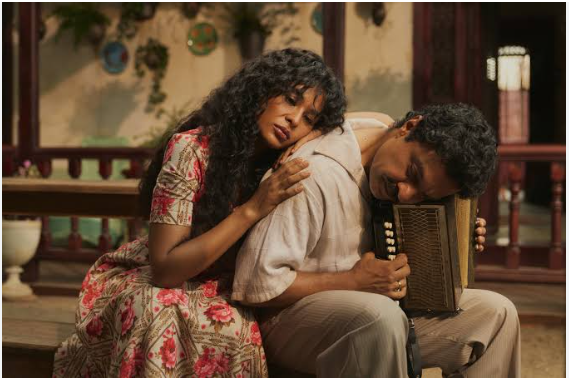
What makes this final chapter extraordinary is not merely its visual beauty or technical excellence but its understanding that the story has always been about the passage of time and humanity’s inability to escape its own patterns. Every episode feels carefully constructed, balancing intimate character moments with grand historical events while maintaining the dreamlike atmosphere that defines the world of Macondo. The production continues to display breathtaking cinematography, using warm natural lighting, lush landscapes, and carefully composed frames to create a setting that feels both grounded and mythical. Macondo itself becomes more than a location; it evolves into a living character whose transformation mirrors the rise and fall of the Buendía family.
As prosperity fades into decay, the changing architecture, weather, and landscapes silently communicate the emotional weight of history. The visual storytelling remains among the finest achievements of the series, with every scene feeling like a moving painting inspired by Latin American art and folklore. Performances throughout Part 2 are consistently exceptional, with the cast delivering emotionally layered portrayals that capture the burdens carried by successive generations. The actors avoid melodrama despite the story’s immense emotional stakes, allowing grief, longing, pride, and regret to emerge naturally through subtle expressions and restrained dialogue. Because the narrative spans decades and introduces multiple members of the same family with recurring names, the performers succeed in distinguishing each character through unique personalities and emotional rhythms, making the potentially confusing genealogy surprisingly accessible.
This careful characterization ensures that viewers become invested not simply in individual lives but in the recurring emotional patterns that define the family’s history. The screenplay deserves particular praise for adapting one of literature’s most structurally challenging novels into coherent television. Rather than flattening the novel into a conventional family drama, the writers preserve its circular storytelling and philosophical depth while making the emotional journeys more immediate for modern audiences. Dialogue remains elegant and understated, often allowing silence and visual symbolism to communicate ideas more effectively than exposition. Themes of solitude, destiny, forbidden love, political corruption, colonial exploitation, memory, and the destructive pursuit of power resonate strongly throughout the season, reminding viewers that history often repeats itself because people refuse to learn from the mistakes of those who came before them. The pacing is deliberate, occasionally demanding patience from viewers accustomed to faster storytelling, but this measured rhythm ultimately enhances the emotional impact.
Moments of quiet reflection carry as much significance as scenes of dramatic conflict, creating an immersive viewing experience that encourages contemplation rather than passive consumption. One of the adaptation’s greatest strengths lies in its treatment of magical realism. The supernatural elements never function as mere fantasy or visual effects showcases; instead, they emerge naturally from the emotional and cultural reality of Macondo. Extraordinary events are presented with complete sincerity, allowing the impossible to coexist seamlessly with everyday life. This restrained approach preserves the spirit of Márquez’s writing, where miracles and mysteries feel inseparable from ordinary existence. The visual effects support rather than overwhelm the storytelling, blending practical craftsmanship with digital enhancements that maintain authenticity. The result is a world where the boundaries between history, myth, dreams, and reality dissolve in ways that remain emotionally truthful even when they defy logic. Music continues to elevate the series with a haunting score that combines orchestral arrangements and traditional Latin American influences to create an atmosphere of nostalgia, wonder, and melancholy. Rather than dominating scenes, the soundtrack quietly amplifies emotional moments, reinforcing the feeling that every triumph already contains the seeds of future sorrow.
Sound design also deserves recognition for immersing viewers in the environment of Macondo, from tropical rainstorms and bustling marketplaces to eerie moments of supernatural silence that heighten the story’s mystical qualities. The historical backdrop becomes increasingly significant in Part 2, as personal tragedies unfold alongside political upheaval and social transformation. The series effectively illustrates how national events infiltrate family life, demonstrating that private destinies cannot be separated from broader historical forces. Yet it never loses sight of its central emotional focus, ensuring that political commentary enhances rather than overshadows the deeply personal narrative. The exploration of memory becomes especially powerful during the final episodes, where characters struggle to preserve their identities against the relentless erosion of time. Objects, letters, photographs, and family stories acquire profound symbolic importance, emphasizing how fragile human remembrance can be. This meditation on memory gives the conclusion extraordinary emotional resonance, encouraging viewers to reflect on their own relationships with family history and inherited traditions. Part 2 also excels in portraying the devastating consequences of isolation. Although surrounded by relatives and communities, many characters remain emotionally disconnected, trapped by pride, obsession, fear, or unfulfilled desires. The series repeatedly demonstrates that solitude is not simply physical loneliness but an inability to truly understand or be understood by others. This theme becomes increasingly heartbreaking as generations repeat the same emotional mistakes, reinforcing the tragic inevitability at the heart of the narrative. Despite its heavy subject matter, the series contains moments of humor, tenderness, and quiet joy that prevent it from becoming emotionally exhausting.
These lighter scenes deepen the tragedy by reminding viewers of the happiness that might have been possible under different circumstances. Relationships are portrayed with remarkable nuance, acknowledging both the beauty and destructiveness of love. Romantic passion frequently becomes intertwined with obsession, while familial devotion often coexists with resentment, misunderstanding, and emotional distance. This psychological complexity elevates the drama beyond conventional television storytelling, offering richly imperfect characters whose flaws feel profoundly human. The production design remains astonishing throughout, with meticulously crafted costumes, interiors, and props reflecting changing historical periods while maintaining visual continuity across generations. Every detail contributes to the immersive authenticity of Macondo, making the fictional town feel historically and culturally tangible despite its magical qualities. The editing skillfully navigates multiple timelines and recurring names without sacrificing narrative clarity, using visual motifs and recurring imagery to connect different generations. Symbolism plays a major role throughout the season, with recurring elements such as rain, flowers, manuscripts, mirrors, birds, and abandoned houses acquiring increasingly layered meanings as the story progresses. These visual metaphors reward attentive viewers without alienating newcomers, encouraging repeated viewings to appreciate the intricate connections embedded throughout the narrative. The final episodes deliver an emotionally devastating conclusion that remains faithful to the novel’s philosophical vision while fully embracing the strengths of television as a visual medium.
Rather than seeking sentimental closure, the ending accepts ambiguity and inevitability, reminding audiences that some stories are meant to provoke reflection rather than provide comforting answers. This commitment to artistic integrity distinguishes the series from many contemporary adaptations that prioritize accessibility over thematic depth. Although viewers unfamiliar with the novel may occasionally find the complex family lineage challenging to follow, the emotional clarity of the storytelling ensures that the central ideas remain accessible. The series trusts its audience to engage actively with its layered narrative instead of simplifying every mystery or explaining every symbolic detail. This confidence is refreshing in an era when many productions overemphasize exposition at the expense of atmosphere and interpretation. Part 2 ultimately functions not only as the conclusion of an ambitious television series but also as a meditation on humanity’s relationship with time, love, history, and mortality. It explores how individuals become imprisoned by inherited patterns while simultaneously searching for meaning, connection, and redemption. The emotional impact lingers long after the credits because the story refuses to offer easy optimism or despair, instead presenting life as a continuous cycle of beauty and loss. Few television dramas achieve such literary richness while remaining emotionally engaging, and even fewer adaptations honor their source material with this level of intelligence and respect. The craftsmanship displayed across writing, acting, directing, cinematography, music, editing, and production design results in a work that feels timeless rather than trend-driven. Although its measured pace and philosophical focus may not appeal to viewers seeking conventional entertainment, those willing to immerse themselves in its intricate world will discover one of the most rewarding television experiences in recent years.
One Hundred Years of Solitude Part 2 stands as a rare achievement that successfully translates the emotional and symbolic power of a literary masterpiece into a visually stunning, intellectually stimulating, and deeply moving screen experience. It concludes the Buendía saga with grace, heartbreak, and unforgettable beauty, leaving audiences with lasting reflections on the nature of memory, family, destiny, and the fragile hope that understanding the past might someday break the cycles that define human existence. As a television adaptation, it demonstrates extraordinary artistic ambition, proving that classic literature can inspire serialized storytelling of remarkable depth without compromising either accessibility or complexity. By the time the final moments arrive, the series has transformed from a simple adaptation into an achievement that confidently stands alongside the finest examples of prestige television, earning admiration not only from longtime admirers of the novel but also from viewers encountering the story for the first time. Its ending resonates as both an intimate family tragedy and a universal meditation on the fleeting nature of human existence, making it a fitting and profoundly satisfying conclusion to an unforgettable journey through the magical, heartbreaking, and timeless world of Macondo.