Unspeakable Sins Review 2025 Tv Show Series Cast Crew Online
Unspeakable Sins opens with Helena (Zuria Vega), a woman ensnared in a stifling and emotionally abusive marriage to Claudio (Erik Hayser), a wealthy hotel magnate whose domineering presence casts a long, oppressive shadow over her life. In search of autonomy and solace, she embarks on a passionate affair with Iván (Andrés Baida), a younger man whose allure offers a flicker of hope. But what begins as an escape swiftly unravels into a perilous odyssey: Helena and Iván plan to blackmail Claudio using a secret video, triggering a chain of deception, betrayal, and mystery that soon entangles Helena in his disappearance and casts her as the prime suspect. The setting—Mexico’s elite social circles—serves as a lush yet treacherous backdrop where power imbalances, privilege, and hidden motives converge
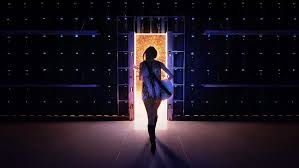
The creative team behind the show, Leticia López Margalli (known for Dark Desire) and Guillermo Ríos, crafts a narrative with all the visceral emotional stakes of a telenovela, fused with the edge-of-your-seat intensity of a psychological thriller, and amplified by sleek, cinematic visuals that underscore Helena’s descent from victimhood toward self‑empowerment—and ambiguity around her innocence or guilt From its opening trailer (released July 1, 2025), the series hints at forbidden romance, power conflicts, and survival under duress: there are clandestine meetings in dimly lit rooms, haunting shots of blood‑stained letters, confrontations in opulent mansions, and a soundtrack that melds sultry tension with mounting dread
Thematically, Unspeakable Sins powerfully explores emotional entrapment, sexual politics, class disparity, and the lengths one will go to reclaim autonomy. Helena’s relationship with Iván becomes a double-edged sword: both a seductive refuge and a catalyst for danger. Claudio’s controlling behavior escalates into shattering consequences, and the twist—his disappearance—forces Helena to navigate suspicion, manipulation, and her own moral ambiguity. While the show delivers on dramatic intensity and visual flair, early reviews suggest that beneath the stylish veneer, the narrative occasionally wavers in coherence. Observers note the potential risk of prioritizing sensationalism—sex, betrayal, murder—over deeper character introspection or unpredictable plot twists
As of this writing, the series comprises a single season of three episodes (season one only), which some sources list as one standalone installment while others simply note “season 1” without specifying further episodes or confirmations of future seasons Globally, Netflix audiences with mature taste have responded to the show with a blend of fascination and critique—Bolstered by its rating of TV‑MA for strong sexual content, violence, and language, the series is clearly aimed at adults comfortable with intense psychological drama and blurred lines between victim and perpetrator
The strengths of Unspeakable Sins lie in its impeccable production design, high‑gloss cinematography, and the magnetic performance of Zuria Vega, who conveys Helena’s transformation with a complex mix of vulnerability, fierce resentment, and simmering defiance. Andrés Baida brings charm and complexity to Iván, and Erik Hayser’s Claudio oscillates between polished charisma and menace. Supporting roles enrich the web of allies and adversaries that Helena must navigate as she teeters under suspicion and emotional turmoil. Yet there are criticisms: some viewers find the pacing rushed—or overly stylized—such that crucial character motivations or emotional arcs feel underdeveloped. Comparisons to Margalli’s Dark Desire suggest that while Unspeakable Sins echoes a similarly addictive tone, it may rely too heavily on formulaic thriller tropes without delivering surprisingly fresh narrative turns
Still, the series taps into universal themes that ripple beyond its specific setting: the claustrophobia of toxic relationships, the seductive lure of reinvention, and the precarious cost of rebellion. It asks provocative questions: when does desire become desperation? How much guilt is self‑imposed versus societally assigned? Would you risk everything to escape a life defined by control—and once free, would reclaiming your power make you a hero, or a criminal? The visual contrasts—opulent mansions, clandestine luxury, shimmering poolside seductions set against claustrophobic interiors—underscore the tension between facade and reality. This is not just a thriller; it’s a study in how appearances and secrets fuel each other in elite circles, and how betrayal isn’t just interpersonal, but structural—a betrayal by social systems that protect the powerful and punish the vulnerable.
Critical reception remains early and varied. On IMDb, a featured user review harshly condemned the show as “18 useless episodes” dominated by sex scenes lacking substance, linear twists, and perfunctory acting, expressing deep disappointment with the script and plotting, calling the ending “ridiculous”
While that single review is extremely negative and not representative yet, it reflects concerns that the storytelling might feel thin despite provocative themes. Other commentary, including from review outlets and coverage, praises the show’s addictive energy and high production values while suggesting it may prioritize style over deeper thematic resolution—leaving loose threads, character arcs under‑explored, and narrative momentum that fizzles rather than crescendos with Ultimately, Unspeakable Sins delivers a heady mix of forbidden passion, class-driven intrigue, and psychological suspense that feels tailor‑made for binge‑watchers craving edgy Latin‑American storytelling in the vein of Dark Desire or You. Its strengths: strong lead performances, cinematic flair, emotional stakes grounded in real social dynamics, and a provocative premise that questions freedom, survival, and culpability. Its limitations: a short run that may leave key plot threads unresolved, potential overemphasis on sex and scandal at the expense of narrative nuance, and pacing that some may find rushed or superficial. If you’re drawn to stories about women fighting to reclaim agency in oppressive circumstances—and don’t mind morally grey characters, tense power dynamics, and adult content—Unspeakable Sins is likely to be compelling. But if you expect tightly wound plotting, deep character development, or satisfying resolution within a single arc, you might feel the series leans more on aesthetic and symbolism than substance.
In sum, this Mexican thriller is a bold entertainment gamble: thrilling in premise, lush in style, and provocative in theme, yet still emerging—unfinished, raw in intent, and perhaps tantalizing more than wholly fulfilling. It’s a ride through betrayal and desire in high‑society Mexico, where survival might depend on who writes the narrative—and whose secrets remain unspeakable.