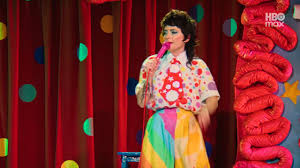
Superstar Review 2025 Tv Show Series Cast Crew Online
Superstar (2025) emerges as a captivating and multifaceted drama that masterfully blends elements of psychological intrigue, intense character study, and social commentary, making it a standout series in this year’s television lineup. From the outset, the show distinguishes itself through a compelling narrative structure that weaves together the lives of several complex characters, each grappling with the pressures and illusions of fame in the digital age. The central storyline follows the meteoric rise of a young, talented singer-songwriter whose seemingly perfect public persona gradually unravels as personal demons and industry exploitation come to the forefront. What sets Superstar apart from other shows exploring fame and celebrity culture is its unflinching honesty and depth—rather than glamorizing the spotlight, it exposes the emotional and psychological costs that often remain hidden behind glossy headlines and social media filters. The writing is sharp and nuanced, balancing moments of raw vulnerability with biting satire, which keeps viewers engaged and reflective about the nature of success and identity. The script’s dialogue feels authentic and contemporary, skillfully capturing the vernacular of today’s youth while also delving into timeless themes of self-worth and authenticity.
The series’ pacing is deliberate yet dynamic, allowing for character development that feels organic and layered. The protagonist’s journey is portrayed with sensitivity and complexity; rather than presenting a simplistic rise-and-fall arc, the show explores the subtle shifts in their personality and motivations as external pressures mount. Supporting characters are equally well-crafted, each embodying different facets of the entertainment ecosystem—from manipulative managers and envious peers to loyal friends and disillusioned fans—creating a rich tapestry that enhances the main narrative. The interpersonal dynamics are charged with tension and emotional resonance, often revealing how ambition and insecurity can distort relationships and blur moral boundaries. What truly elevates Superstar is its willingness to tackle difficult topics such as mental health, exploitation, and the performative nature of social media without resorting to clichés or melodrama. Instead, the show presents these issues through well-researched storylines and nuanced performances, encouraging empathy rather than judgment.
Visually, Superstar boasts a striking aesthetic that mirrors the duality of its themes—glittering concert scenes and high-fashion photoshoots contrast sharply with intimate, often claustrophobic moments that expose the protagonist’s vulnerabilities. The cinematography employs a rich palette of colors and inventive camera techniques, using close-ups and shifting perspectives to immerse viewers in the characters’ emotional states. The soundtrack deserves special mention for its seamless integration of original music and evocative scores, which amplify the mood without overwhelming the narrative. The lead actor delivers a breakout performance, fully inhabiting the character with a blend of charisma, fragility, and intensity that anchors the show’s emotional core. Their portrayal captures the contradictions of someone simultaneously craving validation and fearing exposure, making the character’s triumphs and setbacks deeply affecting. Supporting actors also shine, with standout performances that add depth and texture to the story, ensuring no character feels one-dimensional or superfluous.
The direction throughout the series is confident and assured, with each episode maintaining a consistent tone that balances drama with moments of humor and levity. The show’s creators have crafted a world that feels both familiar and unsettlingly close to reality, reflecting contemporary society’s obsession with celebrity and the often toxic culture surrounding it. The writing team deserves commendation for the deft handling of plot twists and emotional reveals, which are paced to maximize impact without veering into sensationalism. Moreover, Superstar explores broader social issues such as gender dynamics, racial representation, and the power imbalances inherent in the entertainment industry, adding layers of significance beyond the personal story. These themes are woven into the narrative organically, allowing the show to resonate with diverse audiences while prompting thoughtful discussions.
One of the series’ most impressive achievements is how it portrays the impact of technology and social media on the concept of stardom. The show highlights the double-edged sword of digital fame, illustrating how online platforms can both elevate talent and exacerbate scrutiny, leading to a relentless cycle of validation and criticism. It presents this reality with nuance, showing the protagonist’s attempts to navigate the digital landscape without losing themselves—a struggle that feels incredibly relevant in today’s culture. The show also delves into fan culture, depicting the intense, sometimes obsessive relationship between celebrities and their followers. These portrayals feel insightful and balanced, neither demonizing fans nor idolizing stars, but rather examining the complex interplay of admiration, expectation, and identity.
While Superstar excels in many areas, a few minor pacing issues appear in the middle episodes, where certain subplots could feel slightly drawn out or repetitive. However, these moments do little to detract from the overall impact of the series, as the core story remains compelling and the character arcs continue to develop in meaningful ways. The show’s ability to maintain suspense and emotional investment over multiple episodes is a testament to its strong storytelling and ensemble cast. By the season finale, Superstar delivers a powerful conclusion that offers both resolution and ambiguity, reflecting the unpredictable nature of fame and personal growth. This ending leaves viewers eager for future seasons while providing a satisfying emotional payoff that respects the characters’ journeys.
In summary, Superstar (2025) stands as a remarkable exploration of the highs and lows of contemporary fame, distinguished by its intelligent writing, outstanding performances, and thoughtful engagement with relevant cultural issues. It challenges the glamorized narratives often associated with celebrity, opting instead for a more honest and empathetic portrayal of what it means to be a “superstar” in an era defined by digital visibility and social expectation. The series succeeds not only as a gripping drama but also as a cultural critique, encouraging viewers to question the values and pressures of modern society. For audiences seeking a show that combines emotional depth, social relevance, and strong artistry, Superstar offers a deeply rewarding experience that lingers long after the final scene. It is a must-watch for 2025 and a powerful addition to the ongoing conversation about identity, mental health, and the price of fame in our interconnected world.