Kontrabida Academy 2025 Movie Review
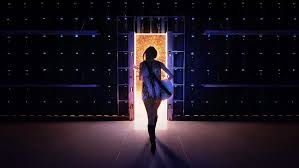
“Kontrabida Academy” (2025) is a Filipino dramedy‑fantasy film on Netflix directed by Chris Martinez, with a premise that blends melodrama, magical realism, and comedy to playfully reimagine the idea of “villainy” in Philippine pop culture.The story follows Gigi (Barbie Forteza), a restaurant worker whose life is in disarray—work pressures, family strife, love life falling apart—and who suddenly finds herself transported through a mysterious television into the titular Kontrabida Academy. There she is mentored by Mauricia (Eugene Domingo), headmistress and contrabida coach, and the film explores what happens when someone marginalised, beaten down by everyday life, is given the chance to embrace what the contrabida role typically represents: power, assertiveness, and theatrical badness.
One of the film’s biggest strengths is its tone. “Kontrabida Academy” wears its exaggeration, its clichés, its over‑the‑top villainous tropes with pride. The melodramatic slaps, the stern one‑liners, the “villain laugh,” the fashion statements, all of this is indulged for comedic effect, often with a wink to the audience. Because these tropes are so familiar in Filipino teleseryes (soap operas) and pop culture, the film gets a lot of mileage out of parodying them. At the same time, the film uses these exaggerations not just for laughs, but as a way for Gigi’s character to grow: reclaiming agency, learning to stand up for herself, and facing her enemies (both external and internal) with something like confidence rather than fear.
The performances are a highlight. Barbie Forteza has the burden of balancing sympathetic vulnerability with comic timing—she is the person we feel for, but also someone who must become “bad, bongga, and brave” (in the film’s own phrasing) without making the transition feel absurd.
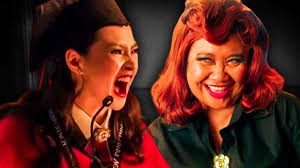
Eugene Domingo as Mauricia is delightfully theatrical; she embodies the exaggerated villain mentor role with gusto, lending the film a strong sense of dramatic flair.Supporting cast members like Michael de Mesa, Ysabel Ortega, Xyriel Manabat, Carmina Villaroel add texture. Some of the younger actors spark well against the bombastic feel of the film, though not all character arcs are deeply fleshed out.
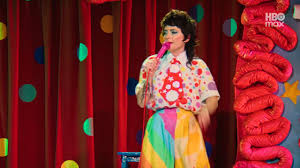
Visually and stylistically, “Kontrabida Academy” leans into theatricality. The set pieces, the costume design, the staging of scenes are all heightened; spaces feel stylised more than realistic, which matches what the story is trying to do: turn melodrama into magic realism, turn the fake villain into something meaningful.The pacing tends to jump: some moments feel rushed or overlong, depending on how much the plot needs to move, or how many parody‑scenes need to be inserted. Because it’s balancing between being satire, fantasy, empowerment story, and also comedy, the film occasionally struggles to maintain a consistent emotional depth: some moments hit, others feel like padding or caricature.
In terms of themes, “Kontrabida Academy” is more than just a comedic send‑up. It plays with the idea of identity, especially how societal and familial expectations shape people to stay meek, to not protest, to stay in the “bida’s” shadow. The academy becomes a metaphor for learning one’s own power, for embracing “bad” qualities that might actually be strengths (assertiveness, boundary‑setting, bold speech) rather than vices. Meanwhile, there’s reflection on the roles we play in our own lives—who writes the script, who speaks the lines, who gets to be the protagonist vs antagonist. The film also comments, albeit lightly, on toxic expectations, on how people sometimes suppress their own needs to avoid conflict, and how embracing one’s voice might come with social cost but also personal freedom.
However, some of the film’s weaknesses lie in its uneven character development: while Gigi and Mauricia are well served, others—especially secondary contrabidas or trainees—feel more like stock types or tropes. Their motivations or backstories are not always explored beyond the minimal required for the comedic contrast. Also, for viewers who are not familiar with Filipino soap opera tropes, some jokes, caricatures, and references may not land as well; the parody works best when one understands what is being parodied. There are also moments when the film’s emotional arc feels undercut by over‑reliance on spectacle or style, with a sacrifice in terms of sincere stakes.
“Kontrabida Academy” also reflects on where Filipino entertainment is today—how streaming platforms like Netflix are allowing for more experimental, genre‑hybrid projects that riff on local culture, not just export it. The film seems aware of its audience, embracing Filipino loves for melodrama, overacting, character archetypes, and the tension between the bida/kontrabida dichotomy, yet asking: what if the kontrabida had lessons to teach? What if the villain role isn’t entirely villainous?
Overall, “Kontrabida Academy” is, in the end, a fun, sometimes messy but spirited film. It doesn’t always hit perfectly, but when it does, the blend of parody + empowerment works nicely. It may not convert everyone into cheering for the kontrabida, but it makes you see the importance of speaking up, of embracing imperfection, of claiming center stage even if you’ve always played the background role. For fans of Filipino dramatics, comedic satire, and bittersweet transformation stories, it is a recommended watch. For those expecting a tightly plotted drama, or minimal stylization, some of its flourishes may feel excessive.