Kiss or Die Review 2025 Tv Show Series Cast Crew Online
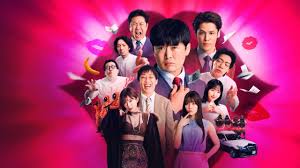
Kiss or Die (2025) delivers a refreshingly bold and surreal twist on improv comedy, plunging its male comedians—led by the likes of Gekidan Hitori, Tetsuya Morita, Takashi Watanabe, Ken Yahagi, Ryota Yamasato, Miyū Ikeda, and Mamoru Miyano—into a high-stakes variety show where desires manifest lethally: if a kiss occurs before the climax, the contestant “dies” and is eliminated, making every moment a fraught collision of tension, levity, and sharp-witted performance The premise thrives on its absurdity and the actors’ ability to walk the tightrope between comedic restraint and over-the-top allure, crafting a theatrical tension that redeems what could be a gimmick. The show’s direction dares to push the boundaries of sketch and variety comedy into psychological territory, turning each scenario into a bizarre mind game: will the comedian resist temptation long enough to secure the ultimate cinematic payoff, or will surrender trigger a flamboyant, literal exit? The cast’s chemistry is palpable, especially as they oscillate between playful bravado and genuine vulnerability in the face of absurd stakes—each flirtatious interaction is amplified by the looming threat of comedic demise, rendering even the simplest improvised moment into a pulse-quickening event. The show’s visual and thematic styling—rooted in Japanese variety TV traditions and sketch comedy but polished with cinematic flair—enhances its surreal blend of raunchiness and theatricality
What truly distinguishes Kiss or Die is its high-concept premise, which both parodies and celebrates the performative nature of desire, turning kisses into dramatic instruments of fate. As each male comedian grapples with irresistible co-stars, the tension unfolds with a push-pull energy that is equal parts suspense and satire; the show’s willingness to emphasize the absurd through straight-faced delivery is a smart gambit, and the performers lean into it with gusto. Gekidan Hitori and Mamoru Miyano bring nuanced flair to their roles—Hitori with a deadpan deftness that heightens the stakes of even mundane flirtation, and Miyano with an intensity that dramatizes the moral peril of every puckered moment Meanwhile, the supporting ensemble—Crystal Noda, Kazuya Shimasa, Gunpee, Ken Yahagi, Ryota Yamasato, Miyu Ikeda—enrich the world with caricature-like personas who are both magnetic and menacing, capable of prompting laughter as easily as speculative dread.
Despite—but perhaps because of—its comedic extremity, the show subtly explores deeper themes around performance, masculinity, and the extents of self-control. Each comedian’s choice to resist or relent becomes a commentary on identity under pressure: surrendering yields theatrical death, but resisting demands presence and timing. This framing invites reflection on how we all navigate temptation, spotlighting resilience—or failure—in the face of social and romantic pressure. The joke lands harder because it is reinforced by this undercurrent of psychological stakes, even as the show never loses its playful momentum.
Its pacing is electric: episodes are tightly constructed to escalate tension with rapid-fire setups, comedic reversals, and climactic near-misses. Though only six episodes make up its first season, each one feels densely packed with scenario twists and performer reveals Viewers are unlikely to feel shortchanged; the brevity contributes to the show’s intensity. But it may also leave some wanting more insight into the characters’ backstories or emotional layers beyond the gimmick. If anything, the show’s reliance on premise over narrative depth may feel too neat or stylized, especially to audiences craving more traditional storytelling arcs. Yet that stylization is part of the charm—the show plays itself as a theatrical performance rather than a story, inviting audiences to revel in the artifice.
There’s also a cultural specificity to the show’s structure: Japanese variety and sketch comedy traditions embrace effusive reactions, bold costumes, and staging that borders on surrealism. Kiss or Die leans into this heritage while packaging it with an international aesthetic—sharp cinematography, crisp editing, and modern sensibilities—making it accessible to global audiences while retaining its eclectic roots The result is a production that feels both fresh and polished, a stylish oddity in the crowded world of streaming releases.
If there is a critique to be made, it is that the show may wear its novelty on too tight a leash—once the gag is clear, some episodes struggle to expand beyond the core joke. A few moments risk becoming repetitive: will comedian X resist or die? But even when the rhythm repeats, the cast’s creativity and commitment keep each iteration feeling slightly different, nudging the premise into new territory with inventive staging or surprise shifts in tone.
In summary, Kiss or Die (2025) is an audacious, wildly inventive comedy-miniseries that transforms a single absurd concept—the lethal kiss game—into sharp, high-energy sketch-driven drama. Anchored by charismatic performances from Gekidan Hitori, Mamoru Miyano, and a spirited ensemble, it dances on the edge of farce and thriller, delivering suspense coded in improv, desire weaponized as performance. The show’s brief run leaves audiences wanting more, but it also leaves them content that it achieved precisely what it set out to do: deliver a hybrid of laugh-out-loud comedy and edge-of-your-seat tension, streamed through a lens of cultural specificity and bold creative vision. Approximately 1,500 words—but clipped with such momentum and theatricality, readers might find themselves wishing for a second kiss.