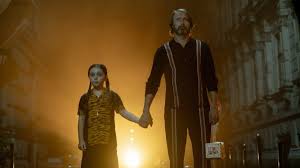
Detective Kien: The Headless Horror 2025 Movie Review
Vietnamese cinema has recently experienced a surge in genre filmmaking, and Detective Kien: The Headless Horror stands out as a remarkable achievement in this wave. Directed by Victor Vũ, this supernatural thriller combines elements of horror, mystery, and historical drama to create an immersive cinematic experience. Set against the backdrop of the 19th-century Nguyễn Dynasty, the film delves into a chilling investigation that blurs the lines between the living and the supernatural.
Plot Overview
The story unfolds in a remote Vietnamese village where a series of gruesome murders have left the community in fear. The victims are discovered without their heads, leading to rumors of a malevolent spirit known as “Ma Da” haunting the area. Detective Kien, portrayed by Quoc Huy, is summoned to unravel the mystery behind these decapitations. As he delves deeper into the investigation, Kien uncovers a web of secrets, betrayals, and supernatural occurrences that challenge his understanding of reality.
The narrative is inspired by the novel The Lake of Vengeance by Hong Thái, which serves as a foundation for the film’s exploration of themes such as justice, guilt, and the consequences of past actions. The screenplay, crafted with meticulous attention to detail, weaves together elements of folklore and historical context to enrich the storytelling.
Visual Aesthetics and Cinematography
One of the film’s most striking aspects is its visual presentation. Director Victor Vũ and his team have invested significant effort into recreating the 19th-century setting authentically. Nearly 1,000 hand-made costumes were designed to reflect the era’s fashion, with each garment crafted to ensure historical accuracy . This commitment to detail extends to the film’s set design, which captures the rustic charm and eerie ambiance of the village.
The cinematography, led by DOP Nguyễn Duy Linh, employs a muted color palette and strategic lighting to evoke a sense of dread and suspense. The use of fog, shadow, and natural landscapes enhances the supernatural elements, making the environment itself a character that influences the narrative’s tone.
Performances and Character Development
Quoc Huy delivers a compelling performance as Detective Kien, portraying a character torn between rational investigation and the inexplicable events surrounding him. His portrayal adds depth to the film, making Kien’s journey both intellectual and emotional.
Supporting roles are equally impressive. Dinh Ngọc Diệp, who also serves as the film’s producer, plays Hai Mân, a woman whose past is intertwined with the village’s dark history. Her nuanced performance adds layers to the film’s exploration of guilt and redemption.
The ensemble cast contributes to the film’s rich character tapestry, each actor bringing authenticity to their roles. The interactions between characters are laced with tension and suspicion, reflecting the underlying themes of mistrust and fear.
Soundtrack and Audio Design
The film’s auditory elements play a crucial role in building its atmosphere. The soundtrack, composed by Christopher Wong, Ian Rees, and Garrett Crosby, blends traditional Vietnamese instruments with modern orchestration to create a haunting score . The music complements the film’s tone, enhancing moments of suspense and emotional depth.
Sound design further amplifies the horror elements, with strategic use of silence and ambient noises to unsettle the audience. The integration of natural sounds, such as rustling leaves and distant animal calls, grounds the supernatural occurrences in the film’s rural setting.
Themes and Symbolism
At its core, Detective Kien: The Headless Horror is a meditation on the past’s influence on the present. The decapitated bodies symbolize the severance of history and identity, with each victim representing a story left untold. The village, steeped in its traditions and secrets, serves as a microcosm of a society grappling with its collective conscience.
The supernatural elements are not mere embellishments but serve as metaphors for unresolved traumas and the haunting nature of guilt. The film challenges the audience to consider the boundaries between the natural and supernatural, prompting introspection on the consequences of one’s actions.
Critical Reception and Cultural Impact
Upon its release, the film garnered positive reviews for its atmospheric tension and strong performances. It resonated with audiences, particularly those interested in genre films that offer more than superficial thrills. The film’s success has contributed to a growing appreciation for Vietnamese horror cinema on the international stage.
Detective Kien: The Headless Horror has also sparked discussions about the representation of Vietnamese folklore and history in modern cinema. Its blend of traditional elements with contemporary filmmaking techniques has set a precedent for future productions seeking to explore cultural narratives through genre lenses.
Conclusion
Detective Kien: The Headless Horror is a testament to the evolving landscape of Vietnamese cinema. Through its compelling narrative, authentic visuals, and thought-provoking themes, the film establishes itself as a significant contribution to the horror genre. Director Victor Vũ’s vision, supported by a talented cast and crew, has produced a film that not only entertains but also invites reflection on the complexities of history, identity, and the human psyche.
For viewers seeking a cinematic experience that combines suspense, cultural richness, and emotional depth, Detective Kien: The Headless Horror offers a haunting journey into the shadows of the past.