Bad Shabbos 2025 Movie Review
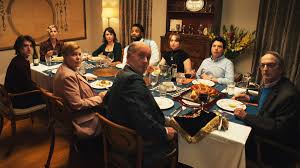
Bad Shabbos (2025), directed by Daniel Robbins, emerges as a refreshing and incisive dark comedy that delves deep into the intricate dynamics of a modern Jewish family grappling with tradition, identity, and the chaos of intergenerational conflict. Robbins’ deft direction brings a nuanced, empathetic perspective to what could easily have been a niche cultural comedy, instead crafting a story with broad emotional resonance and sharp, often biting humor. The film is set almost entirely during a single Shabbat dinner, using this ritualistic gathering as a microcosm to explore larger themes of family tension, faith, and the challenges of maintaining cultural heritage in a rapidly changing world. Robbins employs tight, intimate cinematography that captures the claustrophobic atmosphere of the family home, juxtaposed with moments of levity and chaos, making the setting feel both like a sanctuary and a battleground. The screenplay, which balances razor-sharp wit with moments of genuine pathos, gives each character room to breathe and develop, revealing the complexity beneath their sometimes exaggerated idiosyncrasies and conflicts.
At the heart of the film is the patriarch, portrayed with remarkable subtlety and depth, who attempts to orchestrate the Shabbat dinner as a way to mend fractured family bonds and reaffirm shared traditions. Yet, as the night unfolds, long-suppressed grievances and secrets surface, turning the evening into a chaotic, emotionally charged confrontation. Robbins excels at depicting these emotional oscillations with authenticity, capturing the tension between reverence for tradition and the desire for personal freedom that defines many contemporary families. The ensemble cast delivers uniformly strong performances, each actor bringing a unique flavor to their roles that enriches the group dynamic. From the skeptical adult children to the opinionated grandparents, every character feels fully realized, contributing to the film’s rich tapestry of perspectives on religion, culture, and family. The humor is often dark and incisive, skewering clichés and exposing the absurdities inherent in rigid adherence to ritual while never dismissing the underlying value these traditions hold for the characters.
Visually, Bad Shabbos uses warm lighting and close framing to create an intimate and inviting environment that contrasts sharply with the emotional turbulence playing out between the characters. This visual choice enhances the film’s exploration of comfort and discomfort, showing how the very rituals meant to unify the family can sometimes serve as a source of division. The director’s choice to focus on naturalistic performances and dialogue-driven scenes gives the film a theatrical quality, reminiscent of classic stage comedies, yet Robbins avoids static camera work by employing subtle movements and thoughtful compositions that maintain cinematic interest throughout. Sound design and the musical score further complement the narrative by weaving in traditional Jewish melodies interspersed with modern tunes, symbolizing the intersection of past and present that the film so deftly navigates. These elements together create an immersive sensory experience that pulls viewers deeply into the world of the characters.
The screenplay, co-written by Robbins himself, is a standout achievement, blending humor and drama seamlessly while avoiding the pitfalls of sentimentality or caricature. The dialogue sparkles with cultural specificity, rich in Yiddish expressions and references that lend authenticity, yet the emotional beats remain universally accessible. The film explores serious topics such as mental health, addiction, and religious doubt without losing its comedic edge, giving the story a compelling emotional depth. One of the most compelling aspects of Bad Shabbos is its refusal to present any character as entirely right or wrong; instead, it portrays a family caught in the messy reality of love, resentment, hope, and disappointment. This complexity is one of Robbins’ greatest strengths, making the characters’ struggles feel real and relatable. The film also confronts the tension between secular and religious worldviews with nuance, acknowledging the challenges each perspective faces in maintaining identity and meaning in today’s society.
The pacing of Bad Shabbos is deliberate, favoring character development and dialogue over rapid plot progression, which may not satisfy viewers expecting a conventional comedic structure or brisk narrative. However, this choice is intentional, allowing the film to dwell on the emotional texture of the family’s interactions and the evolving dynamics of the evening. Moments of silence and awkwardness are given room to breathe, adding to the authenticity and emotional impact. The confined setting of the family home might feel limiting to some, but it serves as an effective metaphor for the characters’ psychological and emotional entrapment. Robbins uses this constraint to his advantage, building tension and intimacy that make the eventual release, whether through confrontation or reconciliation, all the more powerful. Visually and thematically, the film explores motifs of light and shadow, tradition and modernity, binding and breaking, which underscore the ongoing struggle to find balance in a family shaped by history and personal choices.
Moreover, Bad Shabbos is commendable for its cultural representation, bringing Jewish traditions and dilemmas to the forefront without resorting to stereotypes or simplifications. Robbins and his team have taken great care to portray the rituals, language, and cultural context with respect and accuracy, which will likely resonate deeply with Jewish audiences while educating and engaging wider viewers. The film’s exploration of Shabbat as both a sacred observance and a source of familial tension offers fresh insight into how tradition functions in contemporary life. By situating the drama within a specific cultural practice, the movie manages to tell a universally human story about connection, conflict, and the enduring hope for understanding within families. The ending is particularly poignant, providing closure without neat resolution, reflecting the reality that family dynamics are ongoing and imperfect. This open-endedness invites reflection on the part of the audience, making Bad Shabbos a film that lingers in the mind and heart.
Despite its many strengths, the film does have some limitations that might influence its reception. The cultural specificity, while a strength, may also limit accessibility for some viewers unfamiliar with Jewish customs or the nuances of Shabbat. Some jokes and dramatic beats rely heavily on this background knowledge, which could result in a lessened impact for those outside the cultural context. Additionally, the film’s slow pacing and focus on dialogue-heavy scenes might not appeal to audiences looking for fast-paced entertainment or more conventional comedic storytelling. The limited physical action and confined setting might be perceived as static by some, though those willing to engage with the film’s style will find a rich, rewarding experience. The complexity of the characters and the moral ambiguity presented require attentive viewing, which might not suit casual moviegoers. Still, these stylistic and narrative choices serve the film’s artistic goals well and distinguish it as a thoughtful, character-driven work.
The performances deserve special mention for elevating the script’s emotional and comedic layers. The lead actor’s portrayal of the family patriarch is both tender and frustrating, capturing the conflicted nature of a man trying to hold his family together amid shifting cultural landscapes. The supporting cast, including the adult children, siblings, and elders, bring authenticity and varied perspectives, reflecting the diversity within Jewish communities. Their interactions range from painfully awkward to hilariously absurd, and Robbins’ direction ensures these tonal shifts feel organic and believable. The chemistry between cast members enhances the sense of a real family under strain, contributing to the film’s immersive quality. Additionally, the film handles delicate subjects such as addiction and mental illness with sensitivity and realism, avoiding melodrama and allowing these issues to inform the characters’ behaviors and choices in a nuanced way.
In conclusion, Bad Shabbos (2025) directed by Daniel Robbins is a remarkable cinematic achievement that skillfully blends comedy and drama to explore the intricacies of Jewish family life and cultural tradition in the modern era. Its intimate storytelling, sharp dialogue, and rich characterizations create a compelling portrait of a family caught between reverence for the past and the demands of the present. The film’s strength lies in its empathetic portrayal of flawed, deeply human characters and its willingness to confront difficult themes with both humor and honesty. While its cultural specificity and deliberate pacing may limit its appeal for some, it offers a richly rewarding experience for viewers interested in thoughtful, character-driven narratives that resonate beyond their immediate context. Robbins’ direction and the excellent performances elevate the film, making Bad Shabbos not only a standout of 2025 cinema but also an important contribution to conversations about faith, family, and identity in contemporary society. It is a film that invites laughter, reflection, and ultimately understanding, standing as a testament to the enduring complexities and beauty of familial bonds.