Mercy for None Review 2025 Tv Show Series Cast Crew Online
Mercy for None (2025), a South Korean action-noir television series, emerges as a gripping exploration of vengeance, loyalty, and the murky ethics of the criminal underworld. Directed by Choi Sung-eun and based on the webtoon Plaza Wars: Mercy for None by Oh Se-hyung and Kim Geun-tae, the series delves deep into the psyche of its protagonist, Nam Gi-jun, portrayed by So Ji-sub. The narrative unfolds in the gritty streets of Seoul, where power struggles between rival gangs, Juwoon and Bongsan, set the stage for a tale of retribution and moral ambiguity.
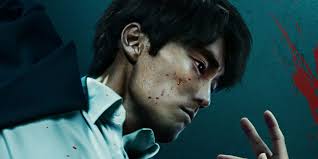
At the heart of the story is Nam Gi-jun, a former gang member who, after severing his own Achilles tendon to escape the violent world he once inhabited, finds himself drawn back into the fray following the brutal murder of his younger brother, Gi-seok. This act of violence propels Gi-jun into a relentless pursuit of justice, unraveling a complex web of deceit, betrayal, and corruption. The series masterfully intertwines personal vendettas with larger gang conflicts, creating a narrative that is both intimate and expansive in its scope.
The show’s strength lies in its multifaceted characters and their intricate relationships. So Ji-sub delivers a compelling performance as Gi-jun, capturing the internal turmoil of a man torn between his past and his quest for vengeance. His portrayal adds depth to a character that could have easily been reduced to a mere avenger. Supporting performances, particularly by Huh Joon-ho as Lee Joo-woon, the head of the Juwoon gang, and Gong Myung as Gu Jun-mo, the heir to Bongsan, further enrich the narrative, presenting a spectrum of motivations and moral compasses that challenge the viewer’s perceptions.
The direction by Choi Sung-eun is both stylish and purposeful. The cinematography employs a muted color palette, reflecting the bleakness of the characters’ world, while dynamic camera work during action sequences injects a sense of urgency and chaos. The fight scenes are choreographed with precision, balancing realism with cinematic flair, ensuring that each confrontation serves both the plot and character development.
Musically, the series employs a haunting score that complements its dark themes. The soundtrack enhances the atmosphere, underscoring moments of tension and introspection. The use of silence in certain scenes is equally effective, allowing the weight of the narrative to resonate without the need for embellishment.
Mercy for None also excels in its exploration of themes such as the cyclical nature of violence, the cost of loyalty, and the moral compromises individuals make in the pursuit of power. The narrative does not offer clear-cut heroes or villains; instead, it presents characters who are products of their circumstances, making choices that reflect the complexities of their environments. This moral ambiguity invites viewers to question their own perceptions of justice and retribution.
The series’ pacing is deliberate, allowing for character development and the gradual unfolding of its intricate plot. While some may find the slower moments a departure from traditional action-driven narratives, these segments are crucial in building the emotional and psychological depth of the story. The final episodes, in particular, deliver a poignant and thought-provoking conclusion that lingers long after the screen fades to black.
In conclusion, Mercy for None stands as a testament to the power of storytelling in the action-noir genre. It transcends the typical tropes of revenge dramas by offering a nuanced portrayal of its characters and their motivations. With stellar performances, meticulous direction, and a compelling narrative, the series offers a cinematic experience that is both thrilling and intellectually stimulating. For those seeking a tale that challenges the boundaries between right and wrong, Mercy for None is an unmissable journey into the heart of Seoul’s criminal underworld.