Avedon 2026 Movie Review
Avedon (2026) is a fascinating documentary that explores the life, career, and artistic legacy of Richard Avedon, one of the most influential photographers of the twentieth century. Directed by Ron Howard, the film takes viewers into the world of a man whose photographs changed the way people understood fashion, beauty, identity, and portrait photography. Rather than presenting a simple collection of famous photographs, the documentary attempts to understand the personality, ambition, creativity, and personal experiences behind the camera. Through archival photographs, previously unseen footage, personal recordings, and interviews with people who knew or worked with Avedon, the film builds a detailed picture of an artist who spent much of his life trying to capture something deeper than physical appearance. The documentary has an interesting subject because Richard Avedon’s influence extended far beyond fashion magazines. His work included celebrities, politicians, artists, ordinary people, and individuals whose lives were often very different from the glamorous world of professional photography. The film gradually demonstrates how his unique approach helped transform photography into a powerful form of artistic expression. Festival de Cannes+1
One of the strongest aspects of Avedon is the way it introduces Richard Avedon’s early experiences and explains how they influenced his artistic development. His childhood and family background provide important context for understanding the person he eventually became. The documentary explores the difficult experiences that shaped his personality, including the emotional complications within his family and his relationship with his younger sister, Louise. These personal details add depth to the story because they suggest that his interest in photographing people was connected to his own experiences with memory, identity, vulnerability, and human emotion. Instead of treating him as an untouchable creative genius, the film presents a complicated individual whose personal struggles existed alongside his remarkable professional achievements. This approach makes the documentary more engaging because audiences get an opportunity to understand the human being behind the celebrated photographs.
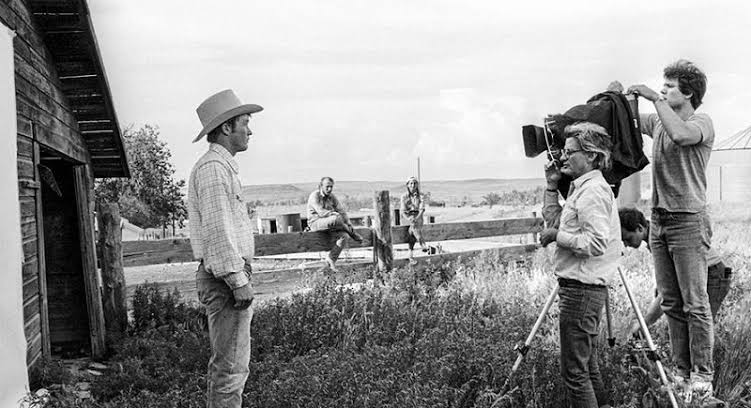
Ron Howard’s direction gives the documentary a polished and confident presentation. He understands that Richard Avedon’s photographs are already visually powerful, so the film allows many of these images to speak for themselves. The editing moves between photographs, archival footage, interviews, and personal recollections without making the overall presentation feel like a conventional history lesson. The documentary also benefits from its access to Avedon’s personal archive, which provides material that helps viewers understand his creative process and professional journey. Some of the behind-the-scenes footage is particularly interesting because it shows the atmosphere surrounding his photography sessions and the amount of energy he brought to his work. The film does not simply explain that Avedon was talented; it gives viewers an opportunity to observe how his personality and approach influenced the people standing in front of his camera.
Photography enthusiasts will probably find the documentary especially rewarding because it covers different periods of Avedon’s career and demonstrates how his artistic vision developed over time. He initially became widely recognised through fashion photography, where he introduced movement, personality, and storytelling into images that had traditionally focused more heavily on clothing and presentation. His photographs often made models appear active and expressive rather than simply posing for the camera. This approach helped change the visual language of fashion photography and influenced generations of photographers. The documentary explains these developments through examples of his work and discussions with people familiar with the industry. It also shows how he gradually expanded his interests beyond fashion and became equally recognised for his powerful portraits.
The interviews are another important element of the film. Several photographers, writers, models, editors, artists, and members of Avedon’s family contribute their perspectives, helping create a broader understanding of his influence. Isabella Rossellini, Lauren Hutton, Penelope Tree, Joel Meyerowitz, and other familiar voices offer reflections on his personality and working methods. These contributions make the documentary feel more personal because the audience hears from individuals who experienced his creative process directly or understood its influence from close professional and personal perspectives. Their memories also help reveal different sides of Avedon. Some remember his charm and energy, while others discuss his demanding personality and extraordinary expectations. These contrasting observations prevent the documentary from becoming an entirely one-sided celebration of his achievements.
Another interesting part of Avedon is its examination of his portrait photography. His photographs were not always designed to make their subjects look attractive or comfortable. Instead, he often attempted to capture expressions and emotions that revealed something unexpected about the person being photographed. His work with famous personalities demonstrated that even individuals accustomed to public attention could appear vulnerable in front of his camera. At the same time, his portraits of ordinary Americans showed that people outside celebrity culture deserved the same artistic attention. His In the American West project is particularly significant in this regard. The documentary explains how he photographed people from different backgrounds, creating portraits that challenged conventional ideas about beauty, status, and importance. These photographs demonstrate that his artistic interests were never limited to glamour.
The film also explores Avedon’s relationship with politics, culture, and social representation. His photographs sometimes reflected uncomfortable realities and questioned the way American society viewed race, class, fame, and power. His collaboration with writer James Baldwin on Nothing Personal is one example of how photography became a way to examine broader social questions. The documentary gives attention to his interest in people whose experiences were often ignored or misunderstood by mainstream culture. These sections are valuable because they show that Avedon’s contribution was not limited to changing the appearance of fashion magazines. He also used photography to encourage audiences to look more carefully at the world around them. His work could be beautiful, challenging, uncomfortable, and thought-provoking at the same time.
The technical presentation is another major strength. With so many remarkable photographs included throughout the documentary, the visual experience remains consistently engaging. The editing creates a natural rhythm between still images and moving footage, while the cinematography helps preserve the atmosphere of the different periods being discussed. The music by David Fleming supports the presentation without constantly demanding attention. The documentary also avoids becoming overly complicated when discussing artistic ideas, making it accessible to viewers who may not have much knowledge of photography. Even people unfamiliar with Richard Avedon’s career can understand why his work mattered and how his approach influenced modern visual culture.
However, the documentary is not without a few limitations. Its generally admiring approach sometimes leaves less room for deeper criticism of Avedon’s professional methods and personal decisions. Viewers looking for detailed technical explanations of camera equipment, lighting arrangements, lenses, and photographic techniques may also find that the film focuses more on artistic philosophy and personality. Some sections move quickly through important periods of his career, leaving audiences interested in learning more about particular photographs or projects wanting additional information. Nevertheless, these limitations do not seriously damage the overall experience because the documentary has a clear interest in understanding the complete person rather than producing a technical photography tutorial.
Overall, Avedon (2026) is an impressive and visually rewarding documentary that offers an engaging examination of Richard Avedon’s life and artistic achievements. Ron Howard brings together personal history, archival material, interviews, and extraordinary photographs to create a portrait of an individual whose influence continues to shape photography and popular culture. The film is particularly successful when it connects Avedon’s personal experiences with his creative ambitions, showing that his photographs were often influenced by complicated emotions and a desire to understand people beyond their public appearances. Although its respectful approach occasionally limits the amount of criticism it offers, the documentary remains informative, entertaining, and emotionally interesting. It is a strong recommendation for photography enthusiasts, art lovers, and anyone interested in the people who helped shape modern visual culture. Avedon is a worthwhile watch for its remarkable photographs, fascinating personal stories, and thoughtful exploration of one of the most influential photographers in American history.