Dead-End Job Review 2026 Tv Show Series Cast Crew Online
Netflix’s Dead-End Job turns one of the most familiar frustrations of modern life into an unsettling supernatural adventure. Finding a decent job is difficult, keeping up with bills can feel impossible, and financial pressure often forces people to accept work they would otherwise avoid. This South Korean horror-comedy takes that reality to an extreme, imagining a mysterious staffing agency that offers part-time jobs paying up to 50 times the usual hourly wage. The catch is that each assignment may expose workers to terrifying, inexplicable dangers. Released on October 30, 2026, the eight-episode limited series combines workplace horror, mystery, survival, and dark comedy into an unusual story about desperation and the price of making ends meet.
The series follows Byeon Hyeok-jun, played by Lee Jae-wook, a young man struggling under a mountain of debt. With few options left, he comes across an advertisement from the Spyder Human Resource Center, a mysterious agency offering extraordinary pay for ordinary-looking part-time work. The agency’s manager, Mr. S, lays down one important condition: employees must never discuss what happens during their shifts. Hyeok-jun initially sees the offer as a chance to solve his financial problems, but he soon discovers that the jobs involve strange rules, frightening encounters, and situations where surviving until the end of a shift becomes the real challenge.
The premise is the show’s biggest strength. Dead-End Job understands that the horror of an ordinary workplace is already familiar to many people. Difficult bosses, exhausting schedules, unreasonable expectations, and low wages can make work feel like a trap. By introducing supernatural threats into that environment, the series transforms a relatable problem into something absurd and frightening. Its central idea is both entertaining and unexpectedly pointed: when someone is desperate enough for money, how much danger might they be willing to accept?
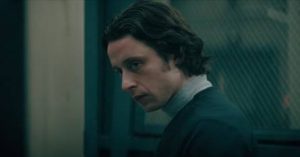
Hyeok-jun is an effective lead because he is not introduced as a fearless hero. He is tired, anxious, financially vulnerable, and often unsure of what to do. Lee Jae-wook brings an appealing mix of frustration, panic, and comic timing to the character. His reactions are often more entertaining than the supernatural events themselves, particularly when he tries to follow strange instructions while clearly wishing he had never accepted the job. Rather than making Hyeok-jun instantly brave, the performance allows his fear to remain part of the comedy and the suspense.
Lee Jae-wook’s performance gives the series an emotional centre. Hyeok-jun’s desperation is not simply a convenient reason for him to enter dangerous situations; it shapes his decisions throughout the story. He understands that the jobs are suspicious, but the money is difficult to ignore. Every time he considers walking away, the reality of his debt pulls him back. That conflict makes the character’s choices understandable, even when they become increasingly reckless.
The show’s supporting characters help expand its strange world. Go Min-si plays Yeon-joo, an investigator looking into unexplained workplace incidents connected to the staffing agency. Her investigation introduces a more conventional mystery structure, giving the series a second perspective on the agency’s activities. While Hyeok-jun experiences the danger directly, Yeon-joo tries to understand what is happening and uncover the truth behind the incidents. Go Min-si brings confidence and sharpness to the role, helping the investigative storyline maintain momentum.
Kim Min-ha is another highlight as Hyeok-jun’s younger sister, Ji-yoon. She brings warmth, humour, and a practical attitude to the family dynamic. Her character is not merely present to worry about her brother; she has her own personality and curiosity, which eventually draws her closer to the agency’s dangerous world. The sibling relationship provides some of the series’ more grounded moments. Their everyday bickering and affection offer a welcome contrast to the strange workplaces and supernatural threats surrounding them.
Lee Hee-joon gives the mysterious Mr. S an intriguing presence. As the head of Spyder Human Resource Center, he appears calm and professional, which makes the disturbing nature of the agency even more unsettling. His reassuring manner contrasts with the dangers his employees encounter. The character works best when the show allows uncertainty to surround him. Is he simply a manager operating within a bizarre system, or does he understand far more about the agency’s true purpose than he is willing to reveal? The performance keeps that question alive for much of the series.
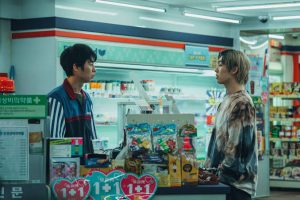
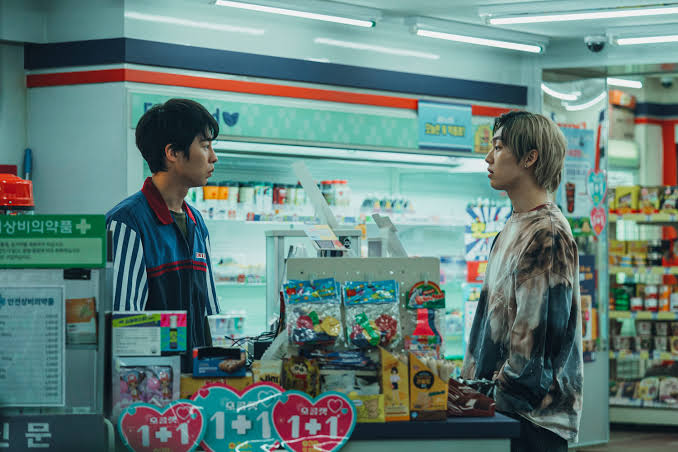
One of the most enjoyable aspects of Dead-End Job is its episodic structure. Each assignment introduces a new workplace, a different set of rules, and another supernatural threat. The series begins with a suspicious convenience-store shift before moving into increasingly strange situations involving a clown, milk deliveries, a cinema, a clinical trial, a construction site, and a theme-park parade. This variety keeps the show from feeling like the same horror scenario repeated across eight episodes.
The different assignments also allow the series to experiment with horror styles. Some episodes rely on claustrophobic settings and ominous rules, while others use grotesque creatures or surreal situations. A familiar workplace can suddenly become threatening because the characters do not understand its rules. The fear often comes from uncertainty: what happens if Hyeok-jun makes a mistake, looks in the wrong direction, or fails to complete a seemingly simple task? The show creates suspense by turning routine activities into tests of survival.
The horror is frequently balanced with dark humour. Hyeok-jun’s panic, the bizarre nature of the assignments, and the agency’s almost absurd professionalism prevent the series from becoming relentlessly grim. The comedy does not always come from jokes; it often emerges from the ridiculous contrast between the job description and the actual experience. A task that appears simple on paper becomes a nightmare, while the agency continues treating it as a normal shift. That contrast is one of the show’s most effective recurring ideas.
Director Kim Da-min builds the supernatural atmosphere around recognisable environments. Convenience stores, cinemas, delivery routes, and construction sites are places viewers understand, which makes their transformation into frightening spaces especially effective. The show does not need to create an entirely unfamiliar world to generate fear. Instead, it takes everyday locations and introduces a small but disturbing change. The familiar becomes strange, and the characters’ inability to understand what is happening makes the danger feel immediate.
The visual design supports this approach, giving the different assignments their own atmosphere. Some sequences are eerie and restrained, while others lean into surreal imagery and creature-based horror. The series’ strongest moments occur when it allows the setting to build tension before revealing the threat. A quiet corridor, an empty workplace, or a strange instruction can be more unsettling than a sudden jump scare. This sense of anticipation gives the show a distinctive identity within the Korean horror-thriller landscape.
However, the visual effects are not consistently convincing. Some creatures and supernatural sequences lack the polish needed to make their appearances genuinely frightening. At times, the effects become unintentionally amusing, weakening the tension that the surrounding scene has carefully built. The concept is imaginative enough to support memorable visual horror, so these technical limitations are noticeable.
The show’s central mystery is another area where its ambition exceeds its execution. The staffing agency’s rules, its unusual assignments, and the unexplained incidents create plenty of questions. The series gradually connects the individual jobs to a larger story, but the explanations do not always feel as satisfying as the mysteries themselves. Some revelations arrive too quickly, while others leave important details unclear. The finale attempts to bring several threads together, yet its rushed pacing reduces the impact of the answers.
This is a particular disappointment because the episodic horror is often more engaging than the overarching plot. Each job provides a fresh source of suspense, but the larger mystery should ideally make those experiences feel like parts of a coherent whole. Instead, the central story sometimes struggles to match the inventiveness of the individual assignments. Viewers who enjoy atmosphere and imaginative horror may still find the series satisfying, but those seeking a tightly constructed mystery may be less impressed by its conclusion.
The limited series also touches on the economic pressures facing young workers. Hyeok-jun’s debt is not simply background information; it is the reason he repeatedly accepts dangerous work. The agency understands that financial desperation can make people ignore warning signs. Its extraordinary pay becomes a form of manipulation, encouraging workers to accept risks they might otherwise refuse. This gives the show a social dimension that makes its supernatural premise more meaningful.
The idea is especially effective because the series does not treat financial hardship as a personal failure. Hyeok-jun is not chasing luxury or excitement. He wants relief from debt and a chance to regain control of his life. The agency exploits that need, turning his vulnerability into a business opportunity. In this sense, the monsters are not the only frightening presence in the story. The system that makes people feel they have no choice but to accept dangerous work is equally disturbing.
The pacing is generally brisk, and the eight-episode format allows the series to move quickly between assignments. Each new job gives the story a reason to introduce another environment and another set of supernatural rules. Yet the episodic format occasionally makes the narrative feel disconnected. The individual stories can be entertaining on their own, but the transitions between them sometimes weaken the emotional continuity. A stronger balance between standalone horror episodes and the central mystery would have made the season more cohesive.
Despite these flaws, Dead-End Job remains an enjoyable genre experiment. It combines the familiarity of workplace drama with the unpredictability of supernatural horror, creating a series that is both entertaining and thematically relevant. The cast understands the balance between fear and humour, with Lee Jae-wook providing a lively centre and Kim Min-ha adding warmth to the story. Go Min-si’s investigative character gives the plot a useful second perspective, while Lee Hee-joon’s mysterious manager keeps the agency’s true nature intriguing.
Ultimately, Dead-End Job is a series about the frightening things people may accept when they feel trapped by financial pressure. Its supernatural assignments are imaginative, its workplace setting gives the horror a relatable foundation, and its dark humour makes the story easy to watch. The uneven effects and rushed finale prevent it from reaching its full potential, but the premise and performances are strong enough to make it stand out.
Dead-End Job may not be a perfect horror series, but it is an inventive and entertaining one. It turns the daily struggle to earn a living into a bizarre survival adventure, while quietly questioning a world where people are pushed to risk their safety for a paycheck. For viewers who enjoy Korean supernatural mysteries, workplace satire, and dark comedy, this is a strange shift worth clocking in for.