Splinter Cell: Deathwatch Review 2025 Tv Show Series Cast Crew Online
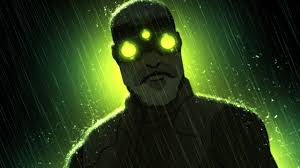
Splinter Cell: Deathwatch makes a clear attempt to stay faithful to its source material – and for the most part, it succeeds. There’s genuine respect for the games and books, especially in how the show handles Sam Fisher’s backstory, key aesthetic elements, and the overall tone of covert operations. Longtime fans will notice the iconic night vision goggles, a familiar soundscape (especially the first three games), and subtle callbacks that show the creators understand the DNA of the franchise.
What stands out most is the pacing of the missions. Rather than leaning into constant action (like the later games), the series often opts for methodical, deliberate sequences that reflect the stealth-based gameplay the series is known for. It’s a great premise that aligns well with the spirit of the first Splinter Cell’s and caries their often darker/stealthier aesthetics.
Where the adaptation falters is in its handling of character emotion and interpersonal dynamics. While the games never shied away from emotional subplots, the show leans too heavily into them, often at the expense of realism. The tone often shifts awkwardly between espionage thriller and personal drama, which undercuts the seriousness of the missions and the professionalism expected from operatives of this caliber.
Liev Schreiber brings weight and presence to Sam Fisher, and while he’s not Michael Ironside, he offers a great interpretation that feels grounded and true to the original (may he be blessed for that). The rest of the cast performs capably, though the character writing is inconsistent. Attempts at creating a diverse ensemble are well-intentioned, but the execution sometimes feels forced, especially when it comes at the cost of believability. Moments where trained agents behave in implausibly careless ways stand out, and not in a good way (although motives are understandable).
The biggest point for me is that the show misses an opportunity to deepen its antagonists. Their motivations are often thin, and their development feels rushed. Given the series format, there’s plenty of room for layered, morally complex villains – but that space isn’t fully used (yet).
Still, there’s enough here to hold interest. For fans of the earlier games, the show offers a healthy dose of nostalgia and a clear effort to keep things canon. It’s not a reinvention, but a careful expansion that builds on the well established source material (which sadly isn’t necessarily standard anymore nowadays)
Looking ahead, a second season would benefit from a more restrained emotional tone, better-developed antagonists, and missions driven by higher stakes rather than personal grievances. The Splinter Cell universe has always operated best when the focus is on the mission first – everything else should follow from that.
Overall, the show is a thoughtful, if uneven, first attempt. It respects the source, gets many of the fundamentals right, but still has room to mature.