Beauty and the Bester Review 2025 Tv Show Series Cast Crew Online
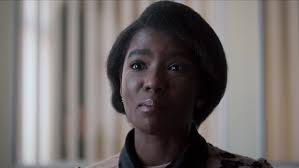
“Beauty and the Bester,” which premiered on Netflix in September 2025, is a three-part South African true‑crime documentary series that weaves together scandal, corruption, and moral ambiguity in a way that is as gripping as it is disturbing. The central figure is Dr. Nandipha Magudumana, a well‑known cosmetic doctor and influencer in South Africa, whose carefully cultivated glamorous public image dramatically unravels when she becomes entangled with Thabo Bester, a convicted rapist and murderer whose escape from prison captures national attention.
From a narrative standpoint, the series does a phenomenal job of delivering escalating tension across its three episodes. It begins with superficial gloss—luxury aesthetics, celebrity endorsements, neatly styled photos—only to peel back layers of deception, legal battles, and violent criminality. The structure is effective: Episode 1 introduces the key players and raises foundational questions (“Did Dr Nandipha get involved in Thabo Bester’s prison escape?”) but holds back enough so that later episodes deliver shocks, revelations, and moral promptings.
One of the strengths of “Beauty and the Bester” is its use of interviews and archival/observational material. Voices from journalists who broke the story, individuals close to Magudumana, and legal documents are used to build a mosaic of conflicting perspectives. The documentary neither neatly demonizes nor fully exonerates its subjects; instead, it presents a swirling moral haze in which beauty, power, love and complicity all intersect. This ambiguity heightens the drama—it’s not just what was done, but how much people believed, how much they looked away, and how much the glamor obscured danger.
On the downside, some of the pacing feels uneven. The first episode especially feels like it’s setting stage—introducing Magudumana’s lavish lifestyle, her celebrity status, her business, then contrasting that with whispers of scandal and then the explosive reveal about Bester’s escape. That kind of ramp‑up is necessary, but the sequence sometimes feels heavy on exposition and background at the expense of emotional undercurrent or intimate access. Viewers hungry for immediate high tension may find themselves waiting for the show to catch up.
Heaven of Horror
Visually, the documentary leans into its subjects’ vanity and theatricality. Scenes of cosmetic clinics, promotions, celebrity events, luxurious surroundings are contrasted against jail cells, courtrooms, and border crossings. The contrast is striking: beauty as facade, perhaps, versus the gritty reality behind it. There are moments where the production values help underscore the thematic tensions—how image conceals truth, how desire for status can blind people to danger. Also, because of the international manhunt (when Bester is arrested after escape), there are tense sequences about borders, police pursuit, extrajudicial questions, which bring a cinematic feel unusual for a true crime documentary.
A particularly compelling aspect is how Magudumana’s own personality and vantage point are treated. She’s not just a villain in the shadows; interviews with people close to her, even with her family (her father features in the documentary), allow glimpses into how ambition, societal expectations, celebrity culture and perhaps even self‐deception may have played into her involvement—or alleged involvement—with Thabo Bester. Her transformation from admired celebrity doctor to accused accomplice is treated with complexity, and the series manages to provoke questions: How much choice did she have? How much was she knowingly complicit? How much was she manipulated, and how much was she manipulating?
The legal and ethical dimensions are also foregrounded. The escape of Bester, the alleged misuse of aliases, the implications that influential people may have helped or looked away—all of this raises bigger questions about justice, privilege, corruption and media complicity. There’s a moment in the show when one of Thabo Bester’s lawyers attempts to block the documentary’s release arguing that his client’s right to a fair trial is at risk. That tension between the public’s right to know, the sensational nature of the story, and the rights of the accused becomes a recurring undercurrent.
One thing the series could have done more of, however, is deeper reflection on the broader systemic issues that allow someone like Bester to gain such control, escape detection, and build networks of complicity. While the focus on the individuals—Magudumana and Bester—is compelling, at times it feels like the scaffolding around them (legal systems, socio‑economic inequalities, the press, influencer culture) is taken for granted or touched on only insofar as it affects their personal story. A more thorough exploration of those systemic roots might have made the series not just gripping but deeply unsettling in a way that forces structural thought.
Another point is emotional weight: while many interviews are moving, there are relatively few moments that let victims speak at length, or that linger on the human cost of the crimes beyond the sensational elements. For some viewers, that might come off as sensationalism thinly balanced with sympathy. True crime always runs that risk: emphasizing the shocking over the suffering. In “Beauty and the Bester,” the glamour, mystery, and chase sequences are more immediately memorable than, say, the grief of individual victims. The danger is that the story becomes another morality play centered on celebrity and shock rather than justice and healing.
Overall, though, “Beauty and the Bester” succeeds in being more than just another true crime docuseries. Its hybridity—celebrity culture, criminal scandal, moral ambiguity—makes it timely and socially relevant in an age of social media, influencer worship, and blurred lines between public image and private actions. It shines as a cautionary tale of how much we trust personas, how dangerous it can be when image trumps substance—and how power, beauty, and criminality can get tangled in ways we might not immediately suspect. The result is unsettling, yes—but compelling, thought‑provoking, and hard to forget.
If one has to assign a final sense: “Beauty and the Bester” is a strong addition to the true crime genre, especially in its South African context, where celebrity, justice, and societal inequality interplay in visible and sometimes toxic ways. It isn’t perfect, but its strengths outweigh its flaws, and for viewers who like contentious moral territory, complex characters, and stories that force you to question your assumptions, it is absolutely worth watching.