The Dead Girls Review 2025 Tv Show Series Cast Crew Online
The Dead Girls, released in 2025, is a chilling and atmospheric television series that masterfully blends elements of psychological thriller, supernatural mystery, and dark drama. Adapted from the novel by Lauren Beukes, the show captivates audiences by delving into the harrowing stories of victims of serial violence while exploring broader themes of trauma, justice, and redemption. The series takes a bold narrative approach by weaving together multiple timelines and perspectives, creating a rich, textured storytelling experience that demands viewers’ full attention. From the very first episode, it becomes clear that The Dead Girls is not a typical crime drama; instead, it pushes boundaries both in content and style, offering a deeply unsettling yet profoundly human portrayal of the lives and afterlives of its characters.
The show centers around the discovery of a serial killer in a sprawling urban setting, with the story primarily unfolding through the eyes of several women connected to the crimes—survivors, investigators, family members, and, hauntingly, the victims themselves. This multi-faceted approach allows the narrative to explore the emotional and psychological impact of violence beyond the mere procedural elements typically seen in true crime adaptations. The series excels in character development, providing complex, nuanced portrayals rather than reducing characters to mere archetypes. Each woman’s story is treated with empathy and depth, highlighting their struggles with grief, fear, and hope for closure. Notably, the victims are given a voice in a way that feels rare and respectful, emphasizing their humanity rather than just their victimhood.
Visually, The Dead Girls is striking. The cinematography is deliberately moody and atmospheric, with a palette dominated by cold blues, grays, and muted earth tones, evoking a sense of melancholy and foreboding. The direction uses shadows and reflections skillfully to reinforce the themes of hidden truths and fractured identities. Scenes alternate between gritty urban landscapes and intimate, claustrophobic interiors, underscoring the contrast between the public search for justice and the private battles each character faces. The production design enhances the eerie atmosphere, with careful attention to detail that grounds the supernatural elements without overwhelming the narrative realism.
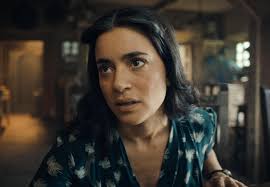
The performances across the board are exceptional, with the lead actors delivering emotionally resonant portrayals that elevate the material. The actress playing the central detective embodies a relentless determination and vulnerability that makes her both compelling and relatable. Her journey from skepticism to obsession with the case mirrors the audience’s own descent into the dark world the show inhabits. Supporting roles, particularly those portraying the survivors and families of victims, add layers of emotional complexity, portraying grief that is raw and multifaceted. The ensemble cast’s chemistry and subtle interactions build a palpable tension that keeps viewers engaged episode after episode.
One of the show’s most compelling aspects is its nuanced treatment of trauma and healing. Instead of relying on sensationalism, The Dead Girls explores the long-term effects of violence on individuals and communities. It delves into themes such as survivor guilt, the struggle to reclaim one’s identity, and the societal tendency to silence or marginalize victims. The script is unflinching in showing the brutality of the crimes but balances this with moments of tenderness and resilience. This careful balance prevents the narrative from becoming exploitative and instead makes it a thoughtful meditation on suffering and strength. The inclusion of therapeutic scenes and community support networks adds authenticity and underscores the importance of solidarity.
Narratively, the show is intricately constructed, with each episode revealing new layers of mystery and character backstory. The use of flashbacks and dreamlike sequences creates a haunting atmosphere, blurring the lines between reality and memory. This non-linear storytelling demands active engagement but pays off by gradually assembling a mosaic of clues and emotional truths. The pacing is deliberate, allowing tension to build naturally rather than relying on cheap shocks or cliffhangers. The writing is intelligent, with dialogue that feels authentic and sharp, avoiding clichés often found in crime dramas. Subplots involving media scrutiny, legal battles, and social activism add complexity and widen the scope beyond the immediate investigation.
The supernatural elements of The Dead Girls are integrated with subtlety and symbolism rather than overt horror tropes. Ghostly apparitions and unexplained phenomena serve as metaphors for unresolved trauma and the lingering presence of injustice. This layer adds an ethereal quality to the series, elevating it above conventional crime storytelling. The show explores the idea of the dead speaking through the living, compelling the characters to confront uncomfortable truths and seek justice that transcends death. These supernatural threads also emphasize themes of memory, loss, and the human need for closure, making the story resonate on a more existential level.
Musically, the score is haunting and evocative, perfectly complementing the series’ tone. A mix of ambient soundscapes and subtle melodic themes enhances the emotional impact without overpowering scenes. The soundtrack carefully balances silence and sound, using quiet moments to build suspense and more intense compositions to underscore climactic moments. The sound design, including environmental noises and voice layering, further immerses viewers in the unsettling atmosphere. The series also uses music diegetically at times, such as through radio or street performances, adding a layer of realism and cultural texture.
Critically, The Dead Girls has been praised for its bold storytelling and social relevance. The show does not shy away from confronting uncomfortable truths about gender-based violence, systemic failures, and societal indifference. It serves as both entertainment and a powerful commentary on real-world issues, sparking conversations about victim advocacy and the criminal justice system. However, some viewers might find the pacing slow or the dark themes challenging, as the series requires emotional investment and patience. The show’s refusal to offer easy resolutions or neat conclusions may also frustrate those seeking more conventional crime procedural fare, but this is part of its strength—reflecting the often unresolved nature of trauma and loss in real life.
The writing team deserves particular commendation for crafting such a layered and impactful narrative. Their ability to weave social critique into a gripping thriller without detracting from either aspect is impressive. The show’s creators demonstrate a clear commitment to authenticity, having consulted with survivors and experts during production, which adds to the series’ credibility and sensitivity. This collaboration enriches the storytelling, ensuring that the portrayal of violence and its aftermath is handled responsibly and respectfully.
In conclusion, The Dead Girls (2025) stands out as a daring and thought-provoking series that redefines the crime drama genre by focusing on the lived experiences of women affected by violence. Its blend of psychological depth, supernatural intrigue, and social commentary creates a unique viewing experience that lingers long after the final episode. With its stunning visuals, powerful performances, and intelligent writing, the show is a must-watch for audiences interested in complex narratives that challenge conventional storytelling. While it may not be suitable for all due to its intense subject matter, it is a remarkable achievement in contemporary television, offering both haunting entertainment and meaningful reflection on some of society’s darkest issues.